A chain of coastal radar stations giving Fighter Command advance warning of incoming Luftwaffe raids, Chain Home let RAF controllers hold fighters on the ground until enemy formations were detected rather than flying costly standing patrols, a decisive edge that helped Britain win the Battle of Britain with a numerically inferior fighter force.
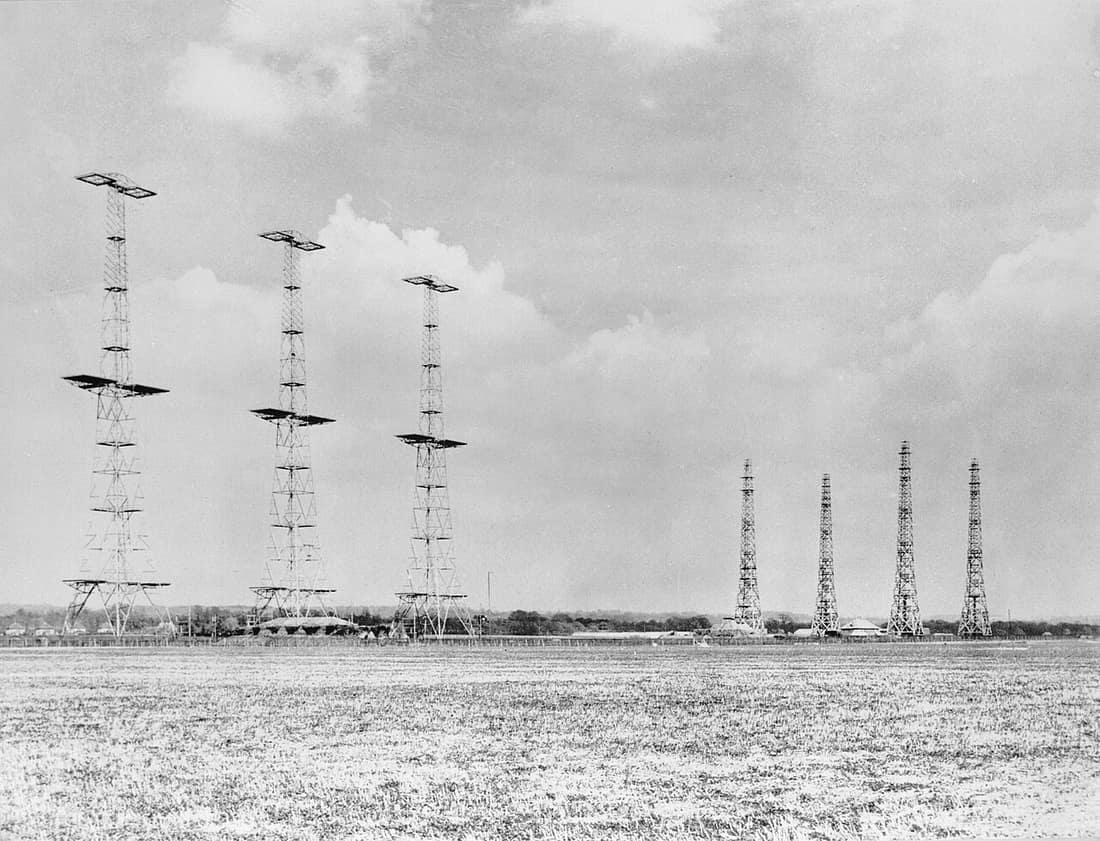
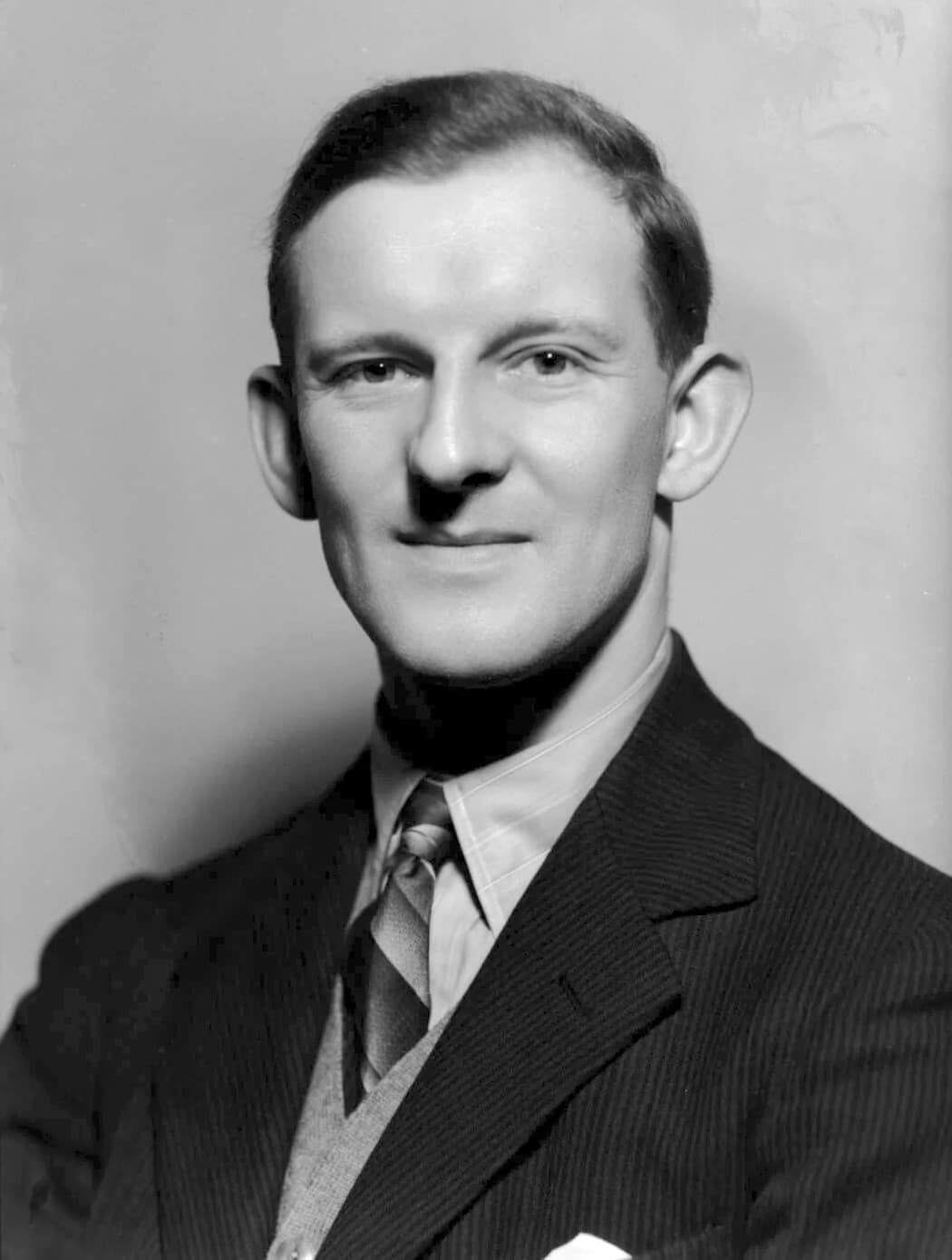
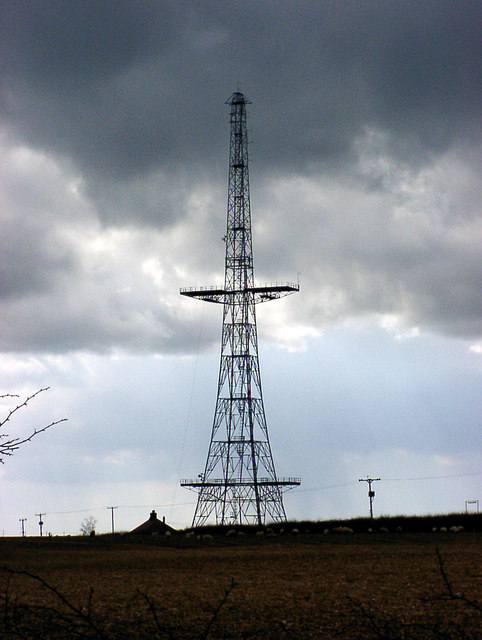
Chain Home radar installation at Poling, Sussex, 1945. Chain Home: AMES Type 1 CH East Coast radar installation at Poling, Sussex. On the left are three (originally four) in-line 360ft steel transmitter towers, between wRoyal Air Force official photographer · Public domain · sourceArnold Wilkins was originally hired as a helper at Watson Watt's radio lab at the National Physical Laboratory. Several years later he produced simple calculations that demonstrated the basic concepts of radar, and laterHoward Coster · Public domain · sourceChain Home transmitter tower at Stenigot This is the last remaining CH radar mast at what used to be RAF Stenigot. It dates from about 1940 and is now a listed building.David Wright · CC BY-SA 2.0 · source