Western Europe · United Kingdom vs Germany and Italy
Battle of Britain
10 July 1940 – 31 October 1940
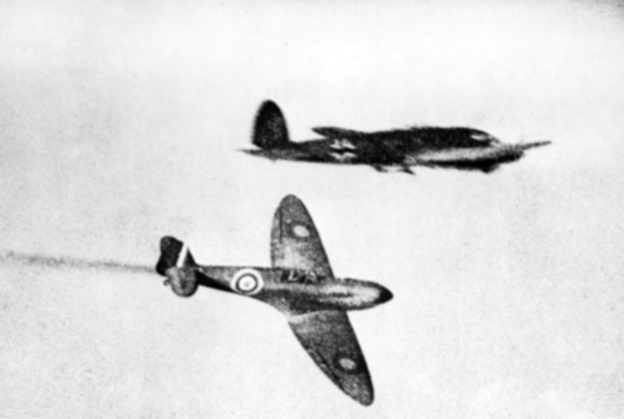
The Luftwaffe attempted to win air superiority over southern England as a precondition for invasion, attacking shipping, airfields and then London. RAF Fighter Command, directed by radar and ground control, was never broken. The Germans lost about 1,900 aircraft and the invasion was postponed indefinitely.
Explore Battle of Britain on the interactive map · Wikipedia
Day by day
— Kanalkampf
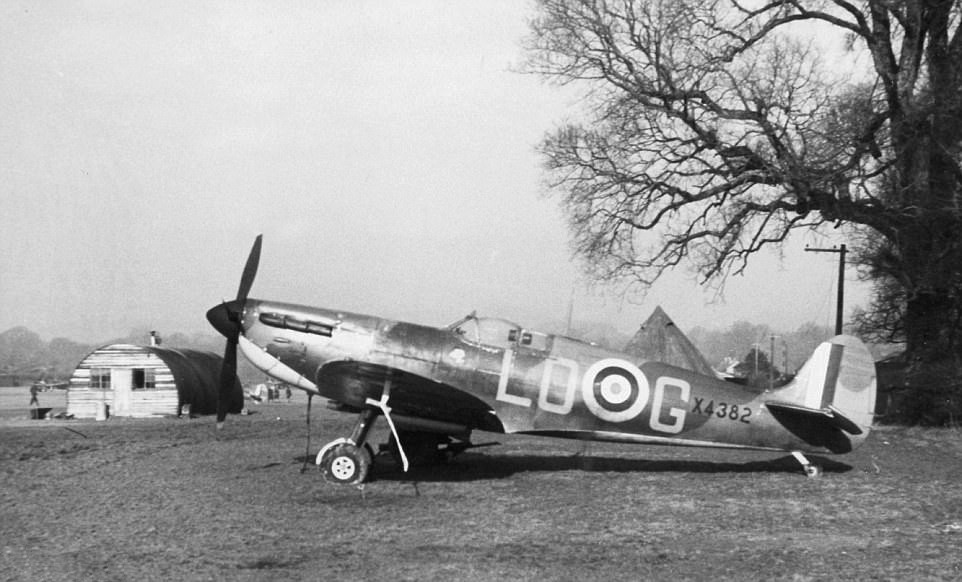
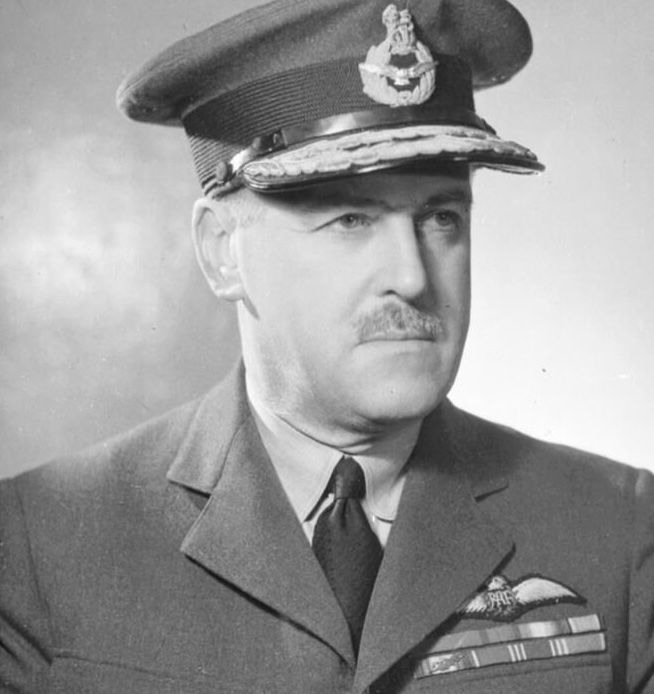
The Luftwaffe opens with attacks on Channel convoys and the ports, to draw Fighter Command out over the water where a bailed-out pilot is lost. Convoy Bread is attacked off Dover on 10 July. Dowding refuses to be drawn and feeds in squadrons a few at a time, husbanding a force of about 700 serviceable fighters against some 2,600 German aircraft.
— Adlertag
Eagle Day opens the assault on Fighter Command itself: the airfields, the aircraft factories and the radar chain. The day before, Ventnor on the Isle of Wight was bombed off the air for three days, but the Germans did not understand what the masts were for and left the rest alone. Poor weather and worse intelligence scatter the effort across coastal airfields belonging to other commands.
— The Hardest Day
Kenley is hit at fifty feet by low-flying Dorniers and again from height minutes later; Biggin Hill, Ford and the Poling radar are struck the same afternoon. Both sides lose more aircraft than on any other day of the battle, the Germans about 69 and the RAF 68 including those burned on the ground. The Stuka is withdrawn from the battle after this day, unable to live in British airspace.
— The sector stations
For a fortnight the Germans get it right and go for the inland sector stations that control the fighters: Biggin Hill, Hornchurch, North Weald, Debden, Kenley. Fighter Command loses more pilots than the training schools can replace and the operations rooms are being wrecked. On the night of 24 August a lost crew drops bombs on the City of London, and Bomber Command is sent to Berlin in reply.
— London
In reprisal for the raids on Berlin the Luftwaffe switches to London. Nearly a thousand aircraft come up the Thames on the afternoon of 7 September and set the docks alight; the fires guide the night bombers in. It is the wrong decision for Germany and the right one for Fighter Command, which is given the fortnight it needs to repair its airfields and rest its pilots.
— Fifteen September
Two large daylight raids on London are met over Kent and broken up, the second by twelve squadrons at once including the Duxford wing; the Germans lose about 60 aircraft to the RAF's 26, and the claim of 185 is believed. Hitler postpones Sea Lion indefinitely on the 17th and the invasion barges are dispersed. Daylight attacks fall away into fighter-bomber sweeps and the battle is conventionally closed on 31 October, with about 1,900 German aircraft lost and 544 Fighter Command aircrew killed.