Western Europe · Poland vs Germany and Soviet Union
Invasion of Poland
1 September 1939 – 6 October 1939
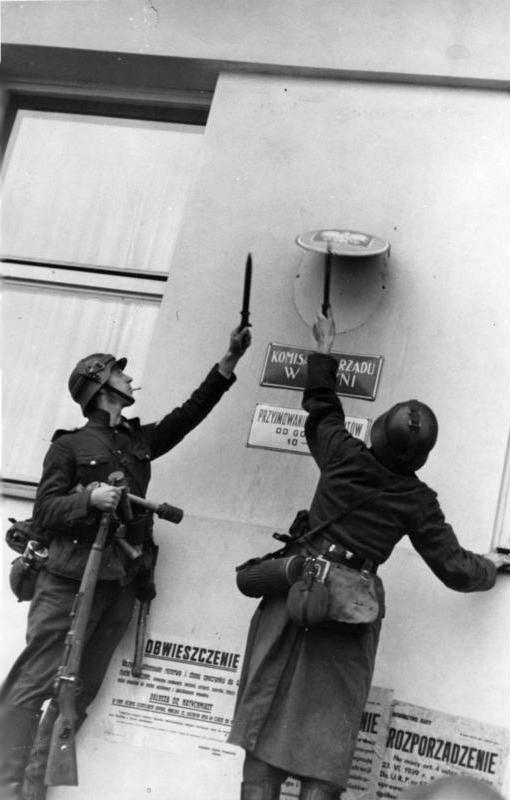
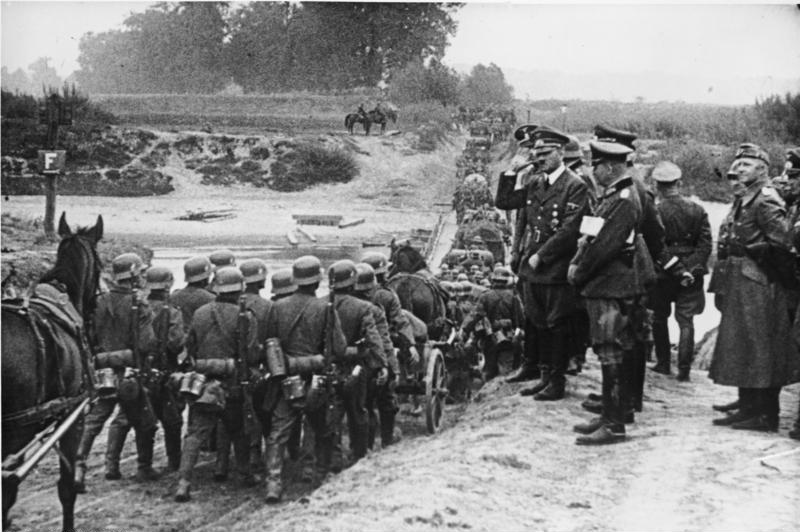
Germany attacked Poland from the north, west and south on 1 September 1939, using concentrated armour and air power. The Soviet Union invaded from the east on 17 September under the terms of the Molotov-Ribbentrop Pact. Warsaw held out until 28 September and the last Polish field force surrendered at Kock on 6 October.
Explore Invasion of Poland on the interactive map · Wikipedia
Day by day
— Fall Weiss
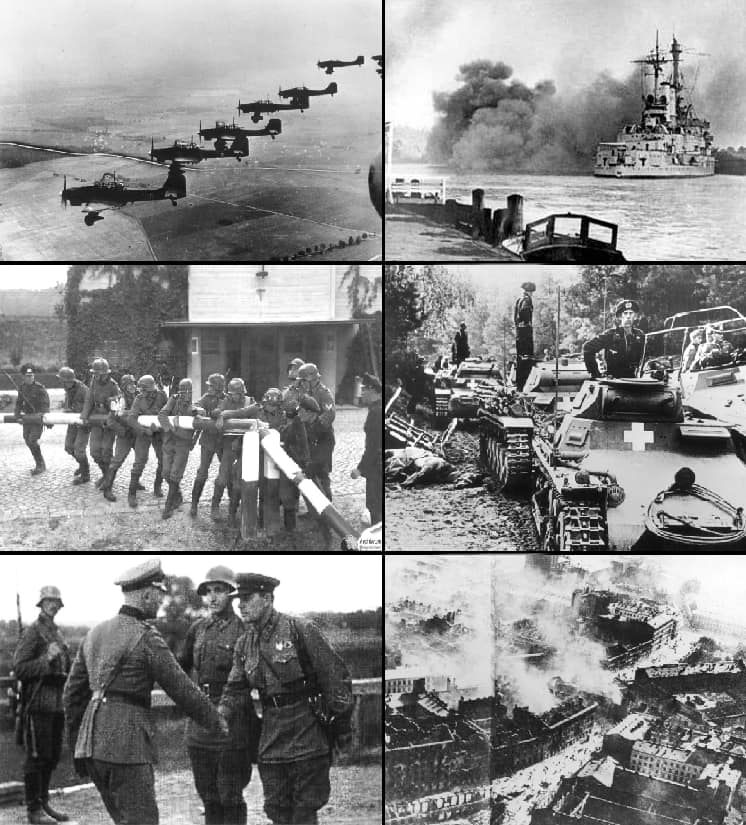
At 04:45 the old battleship Schleswig-Holstein opens fire on Westerplatte and five German armies cross the border from Pomerania, East Prussia, Silesia and Slovakia. The Luftwaffe bombs Wielun before dawn. Poland's armies are strung along the frontier to hold every province.
— The Bzura
Tenth Army's panzers have reached the outskirts of Warsaw and the Poles have fallen back from the frontier everywhere. The Poznan and Pomorze armies, bypassed and still intact, turn south across the Bzura at Kutno into the flank of the German Eighth Army: the largest Polish attack of the campaign.
— The Soviets
The Red Army crosses the eastern frontier along its whole length with two fronts and some half a million men; the government and high command cross into Romania that night. On the Bzura the Polish attack has been contained and the pocket is being destroyed from the air; Warsaw and Modlin are besieged.
— Warsaw surrenders
After a week of shelling and bombing, with water, food and ammunition gone, Warsaw's garrison of some 120,000 surrenders; Modlin follows on the 29th. Germans and Soviets have met at Brest and the demarcation line along the Bug and San is agreed the next day.
— Kock
Kleeberg's Polesie group, marching west from the Pripet to fight its way to Warsaw, meets the German 13th Motorised Division near Kock and fights for four days before its ammunition runs out. Its surrender on 6 October ends organised resistance; Hel gave up on the 2nd.

.jpg)