Battle of the Atlantic · Germany vs United Kingdom
The Channel Dash
11 February 1942 – 13 February 1942
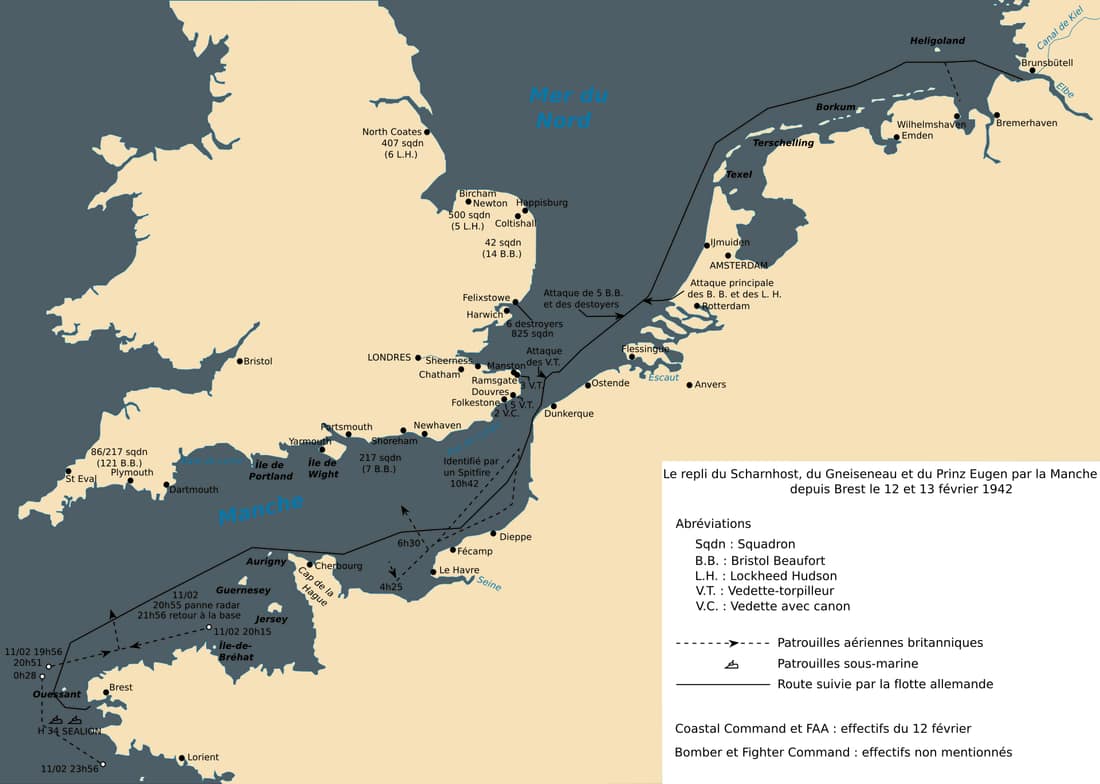
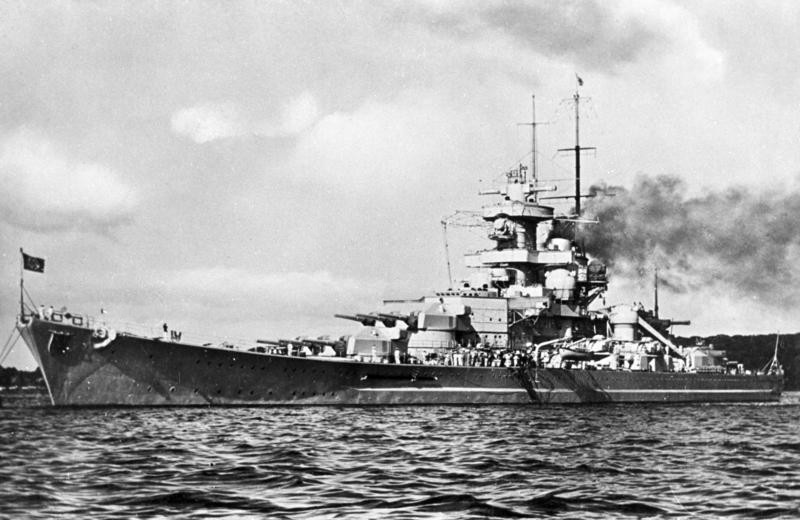
Scharnhorst, Gneisenau and Prinz Eugen left Brest at night and ran the length of the English Channel to Germany under heavy fighter cover. British detection failed until midday and the piecemeal attacks by Swordfish, MTBs and destroyers were beaten off. Both battleships were damaged by mines off the Dutch coast.
Explore The Channel Dash on the interactive map · Wikipedia
Day by day
— Out of Brest
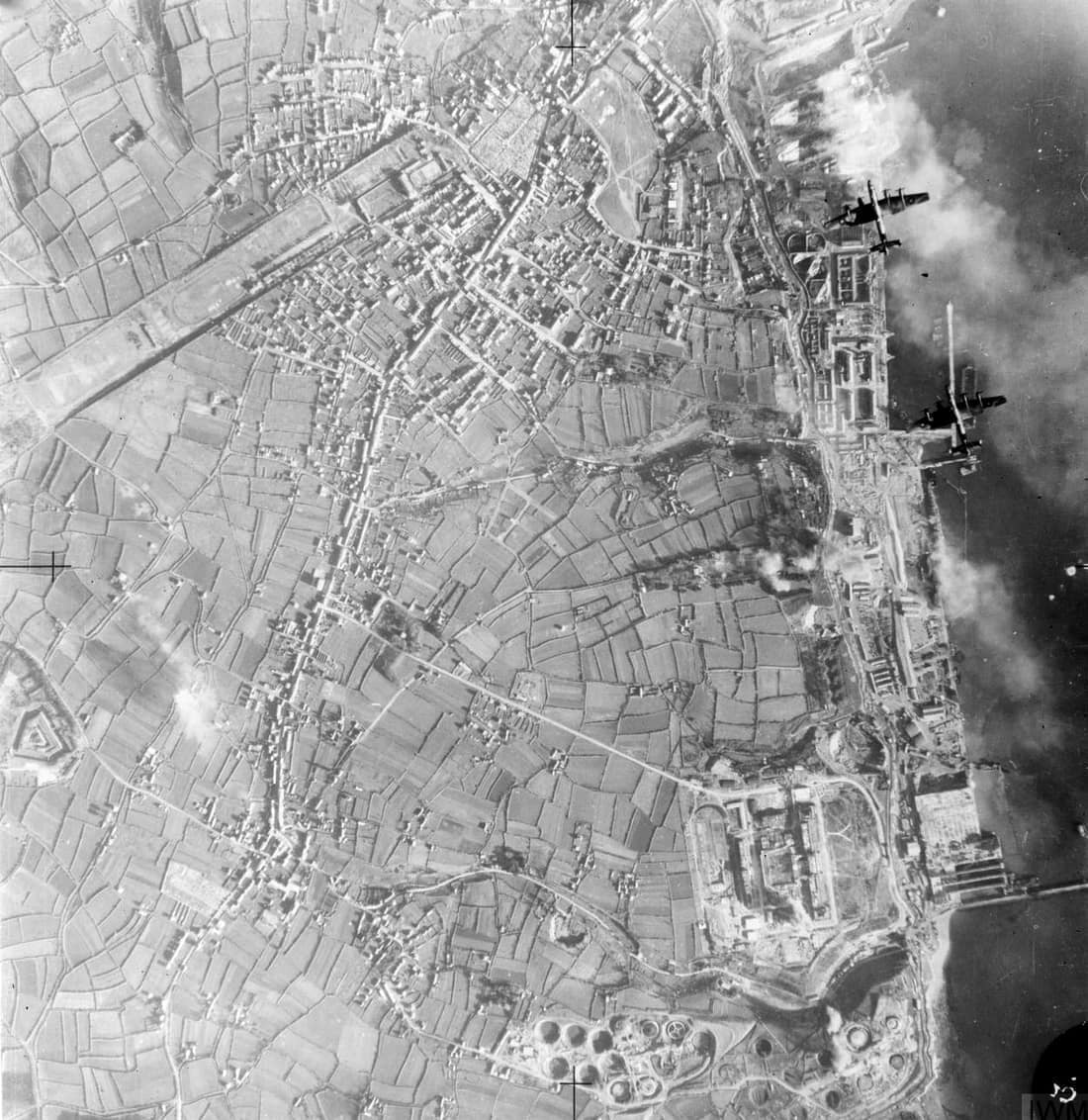
Scharnhorst, Gneisenau and Prinz Eugen slip out of Brest at 22:45 under Vice-Admiral Ciliax with six destroyers, and torpedo boats and E-boats join along the way. An air raid has sent them back to their moorings once already that evening, which is why they sail two hours late and pass the narrows in daylight. Three Coastal Command patrol aircraft are watching the exit; all three have radar failures or are called home, and nothing is reported.
— Past Dover
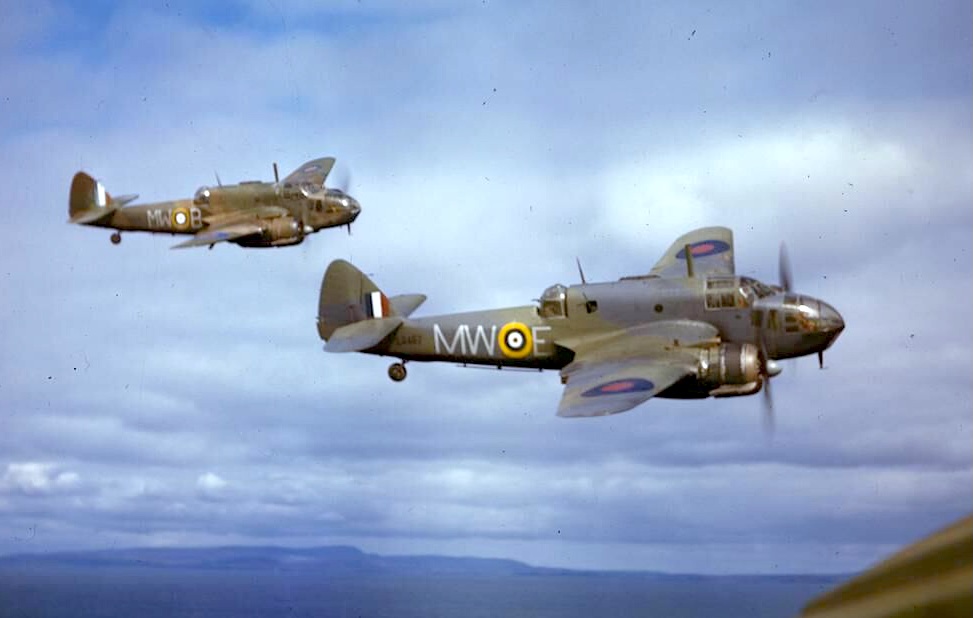
Two Spitfire pilots of 11 Group see the squadron off Le Touquet at 10:42 and, keeping radio silence, land before they report; the first firm word reaches the Admiralty at about 11:25, when the ships are already in the Strait. Dover's coastal guns fire blind at 12:19 and miss. Six Swordfish of 825 Squadron from Manston attack at 12:45 with five Spitfire squadrons short of the promised escort, and every aircraft is shot down; Lieutenant Commander Esmonde is given a posthumous Victoria Cross. Motor torpedo boats from Dover and Ramsgate and five destroyers from Harwich attack in turn and are driven off, and of 242 bomber sorties in low cloud none scores a hit.
— Home
Scharnhorst is mined a second time at 21:34 off Terschelling and comes in on one shaft; by the morning of the 13th all three ships are in German ports, Scharnhorst at Wilhelmshaven and the others by the Elbe for Kiel. Six British aircrew of 825 Squadron survive of eighteen, and forty-two aircraft are lost in all. It is a humiliation in the Channel and a strategic retreat all the same: the heavy ships have left the Atlantic for good, and Gneisenau, bombed at Kiel a fortnight later, never sails again.