Mediterranean and North Africa · Britain vs Iraq
Anglo-Iraqi War
2 May 1941 – 31 May 1941
After Rashid Ali's coup, Iraqi troops surrounded the RAF base at Habbaniya. The base's training aircraft broke the siege, a column from Palestine crossed the desert, and Baghdad was reached within the month.
Explore Anglo-Iraqi War on the interactive map · Wikipedia
Day by day
— The plateau
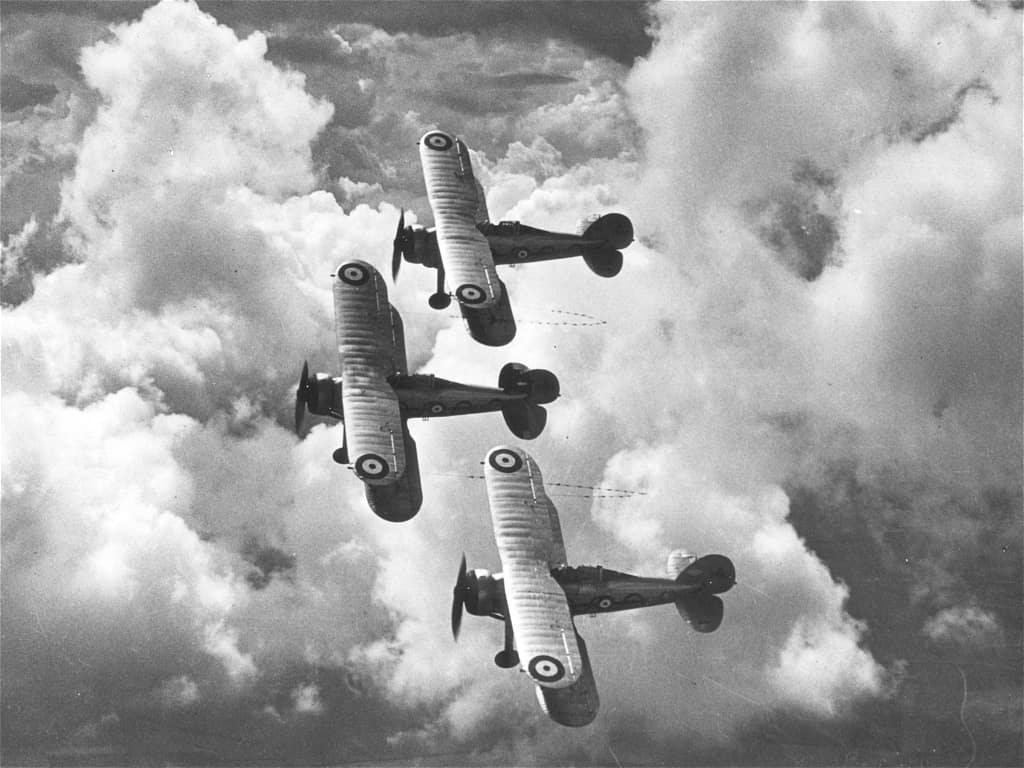
Rashid Ali took power in Baghdad on 1 April with four colonels behind him and German promises in front of him. An Indian brigade was landed at Basra on the 18th; on the night of 29 April an Iraqi force of about 9,000 men with 30 guns moved onto the escarpment that overlooks the airfield at Habbaniya from 60 metres and sent a note forbidding any aircraft to move. The base had 39 serviceable training aircraft, 2,000 airmen and a battalion of Iraq Levies, and it attacked first, at 05:00 on 2 May.
— Off the escarpment
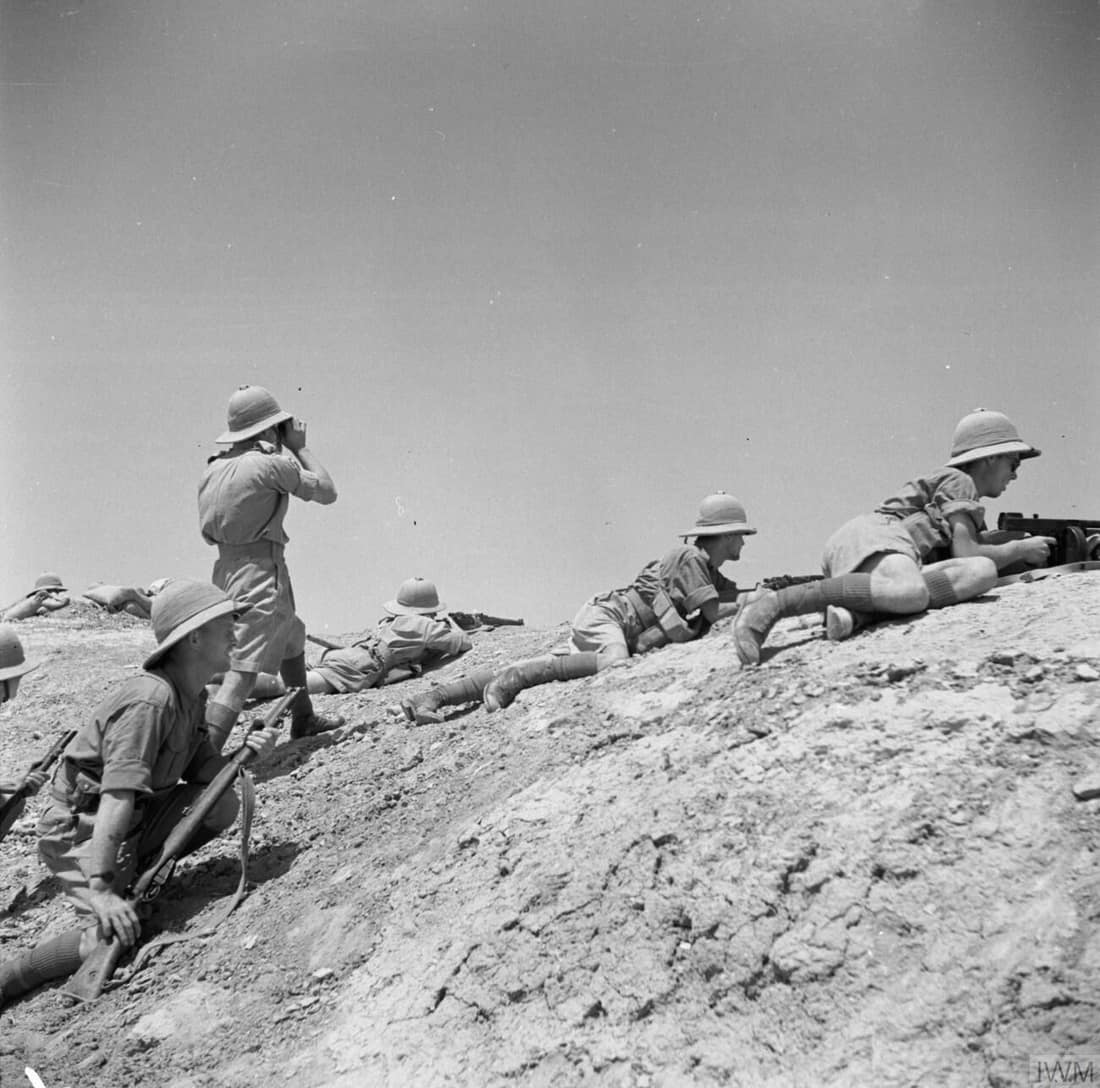
For four days everything that could fly went up from the aerodrome and from Shaibah, 193 sorties on the first day alone, flown by instructors and pupils and losing a third of the aircraft. On the night of 5 May the Iraqis went down off the plateau, and their column was caught the next morning on the road between Habbaniya and Fallujah with the fighting aircraft over it all day. About 1,000 men were taken prisoner and the guns were left behind.
— Habforce
Habforce set out from Palestine on 11 May with the Household Cavalry in lorries and Glubb's Arab Legion as guides, and its leading column reached Habbaniya on the 18th after 800 kilometres of desert; Rutbah had been taken on the way. German and Italian aircraft were flying against Habbaniya from Mosul by then, refuelled in Vichy Syria on the way through, but there were never more than about thirty of them and they had no spares. Fallujah was taken on the 19th, in part by wading the flooded Euphrates.
— Baghdad
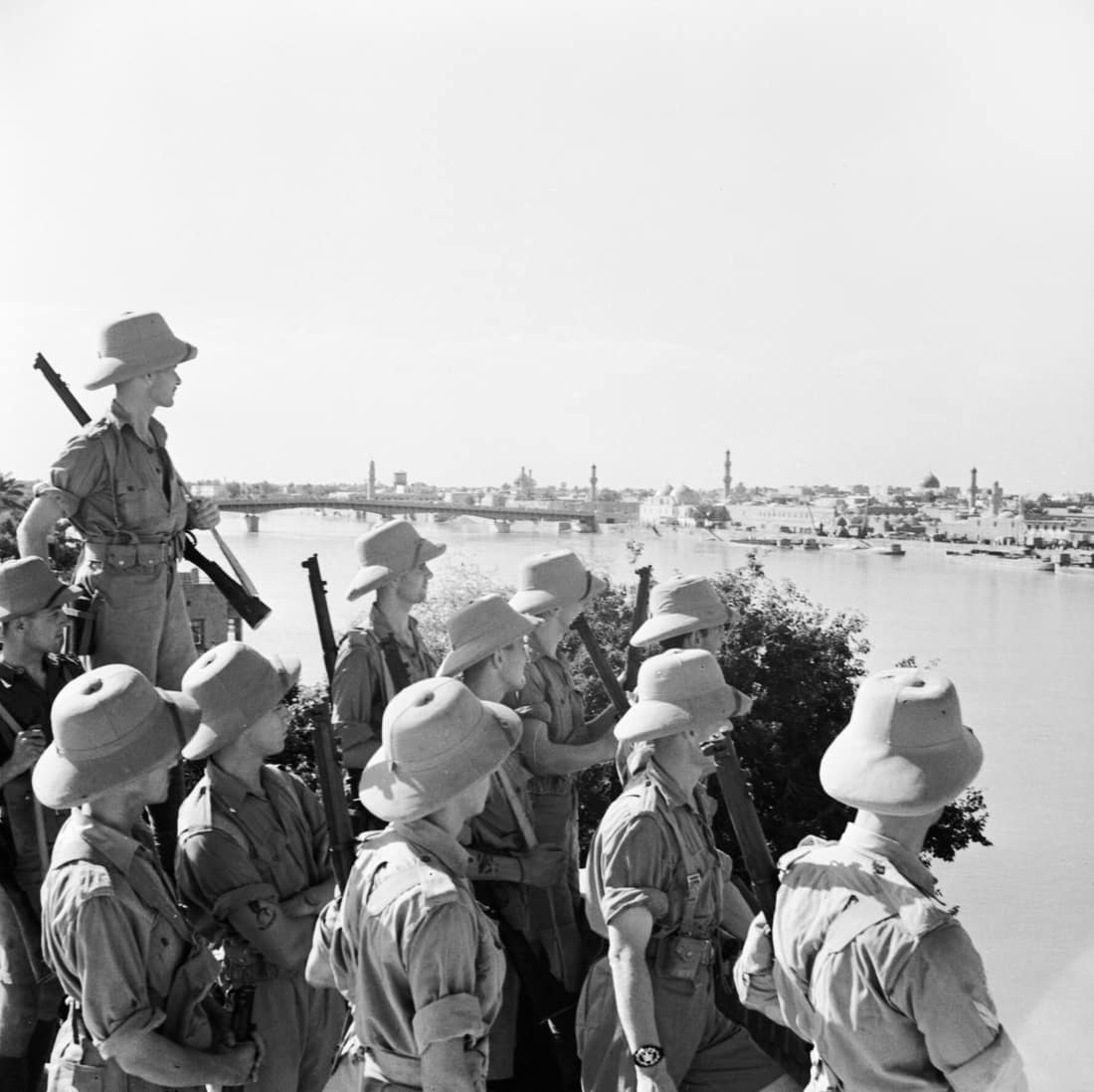
An Iraqi counter-attack retook part of Fallujah on 22 May and was cleared out again by the King's Own with three tanks. Kingcol then advanced on Baghdad in two columns, one along the Euphrates road and one north of it to cross the Tigris above the city, bluffing all the way with about 1,200 men against a garrison many times their size. Rashid Ali, the Mufti and the four colonels crossed into Persia on the night of the 29th.
— The armistice
The mayor of Baghdad came out under a white flag and the armistice was signed at the Washash bridge in the small hours of the 31st: the Iraqi army returned to barracks, prisoners were exchanged, and the Regent came back to the city on 1 June. It had cost the British about 200 casualties. The German aircraft withdrew from Mosul, and the use they had made of Syrian airfields on the way in decided the invasion of Syria a week later.