Mediterranean and North Africa · British Commonwealth vs Italy and Germany
Siege of Malta
11 June 1940 – 20 November 1942
Malta was bombed from the first day of Italy's war and sustained only by convoys fought through at heavy cost. The island's aircraft and submarines in turn cut the Axis supply route to Libya. The siege was effectively lifted when the Stoneage convoy reached Grand Harbour intact in November 1942.
Explore Siege of Malta on the interactive map · Wikipedia
Day by day
— The Gladiators
At 06:55 on Italy's first morning of war, ten SM.79s from Sicily bomb Hal Far and the Grand Harbour; there are eight raids that day. Malta's air defence is a handful of Sea Gladiators in crates, flown by volunteer pilots, and the island lies 100 kilometres from the Italian airfields and 1,500 from Alexandria.
— The Luftwaffe arrives
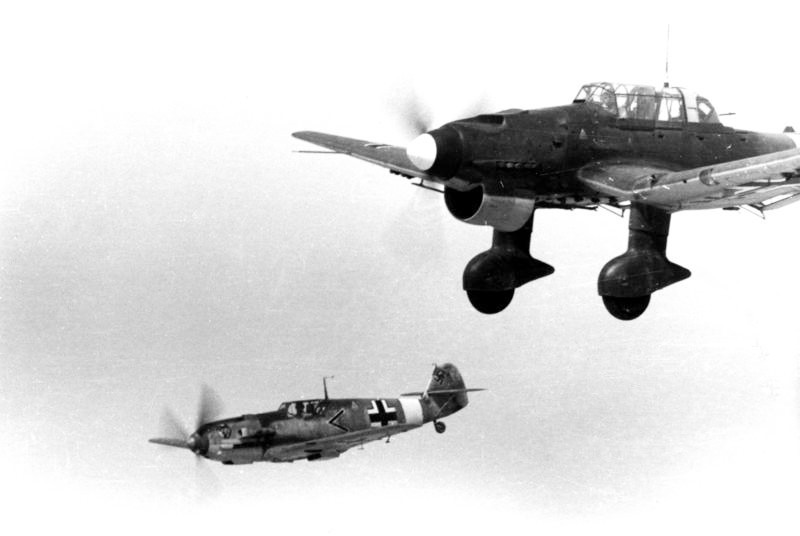
Fliegerkorps X, 300 aircraft including the Stuka wings, moved to Sicily over Christmas. On 10 January its dive-bombers find the carrier Illustrious escorting the Excess convoy south of Pantelleria and hit her six times in ten minutes; she reaches the Grand Harbour that night under her own steam and is bombed there for a fortnight before slipping away to Alexandria. Malta's blitz has begun.
— George Cross
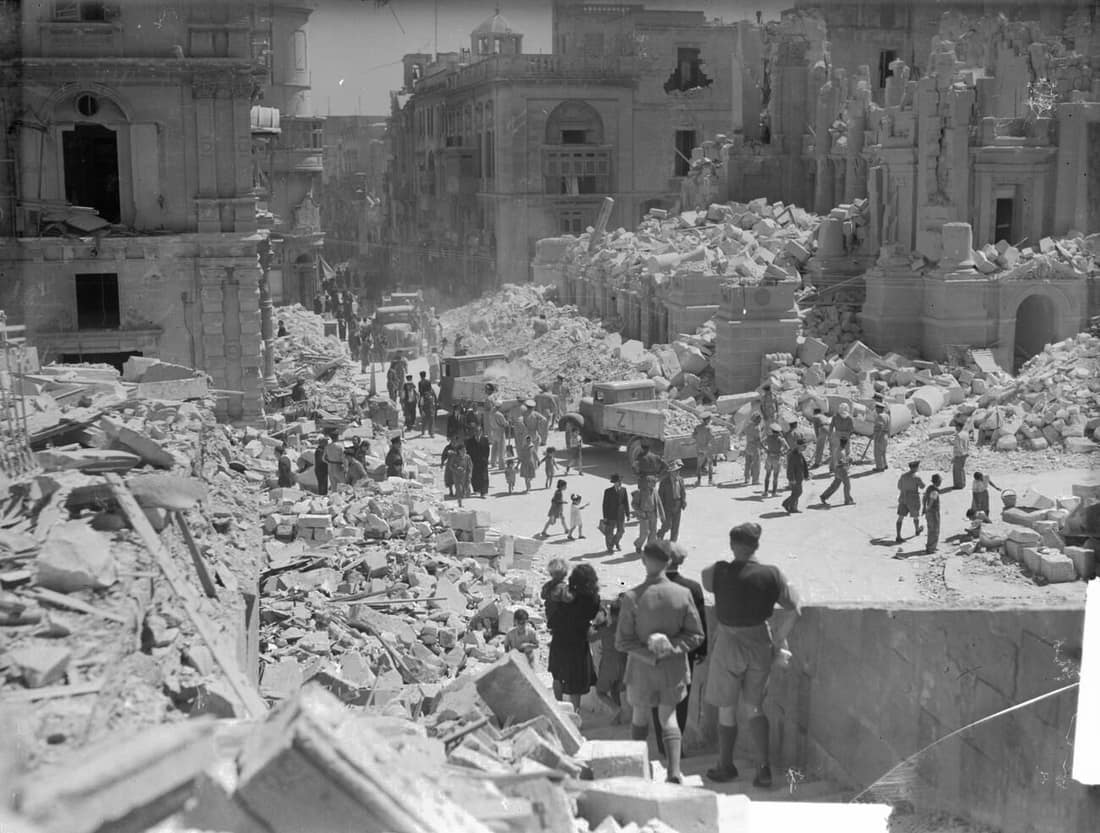
Kesselring's Luftflotte 2 came back to Sicily in December and set out to wipe Malta off the board: 6,700 tons of bombs fall in April, more than London took in any month of its blitz. The three ships of the March convoy were sunk in harbour before they could be unloaded, the airfields are cratered and the submarines will leave by the end of the month. On 15 April the King awards the island the George Cross.
— Pedestal
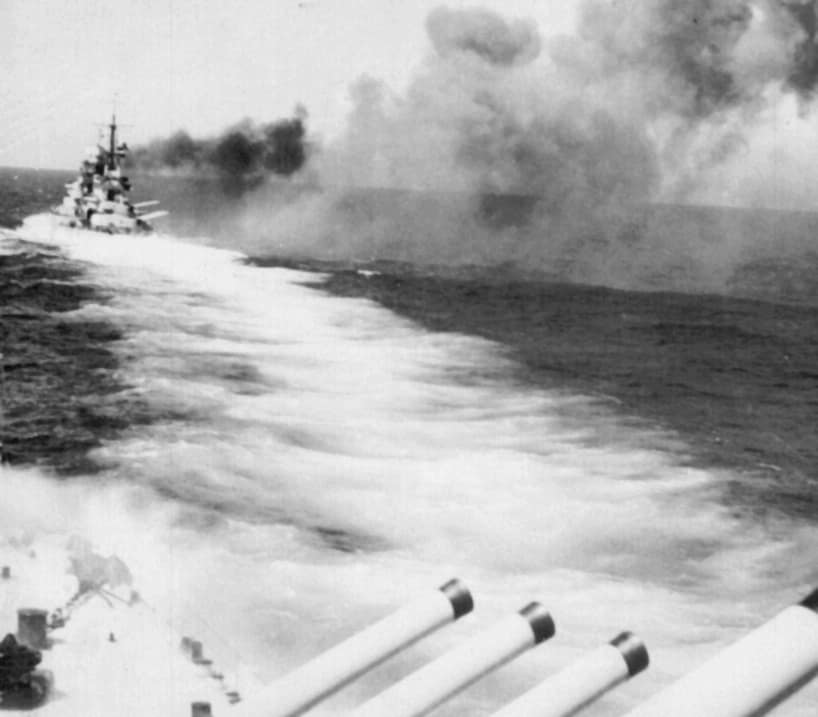
Fourteen merchant ships sailed from Gibraltar on 10 August with two battleships, four carriers and seven cruisers. Eagle was sunk by U-73 on the 11th; off the Skerki Bank on the 12th, submarines, E-boats and bombers sank Cairo and Manchester and nine of the freighters. Five arrive, and the last of them, the tanker Ohio, is lashed between two destroyers and towed into the Grand Harbour on 15 August with her deck awash. Her 10,000 tons of fuel keep the island fighting.
— Stoneage
Torch landed in Algeria on 8 November and the Eighth Army is past Tobruk, so the Sicilian airfields are stripped of aircraft. The four merchant ships of Stoneage sail from Alexandria on 16 November; the cruiser Arethusa is torpedoed by a Ju 88 on the 18th, but the convoy enters the Grand Harbour untouched on the morning of the 20th. With 35,000 tons ashore the siege is over: in two and a half years it has cost some 1,500 civilians, 900 aircraft and about 50 warships and merchantmen.