Mediterranean and North Africa · British Commonwealth vs Germany and Italy
Siege of Tobruk
10 April 1941 – 10 December 1941
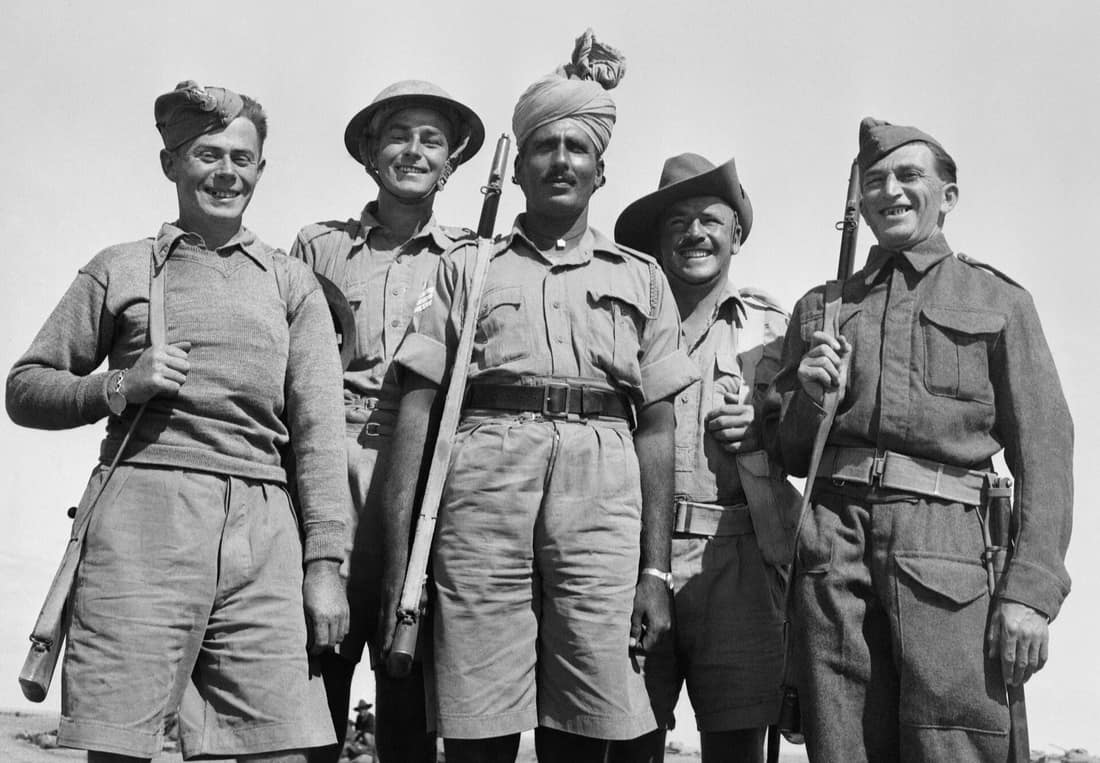
The 9th Australian Division and British troops held Tobruk against Rommel for eight months, supplied by sea. Two relief attempts in May and June failed. The garrison broke out to meet the Crusader offensive in November and the siege was lifted in December.
Explore Siege of Tobruk on the interactive map · Wikipedia
Day by day
— The perimeter
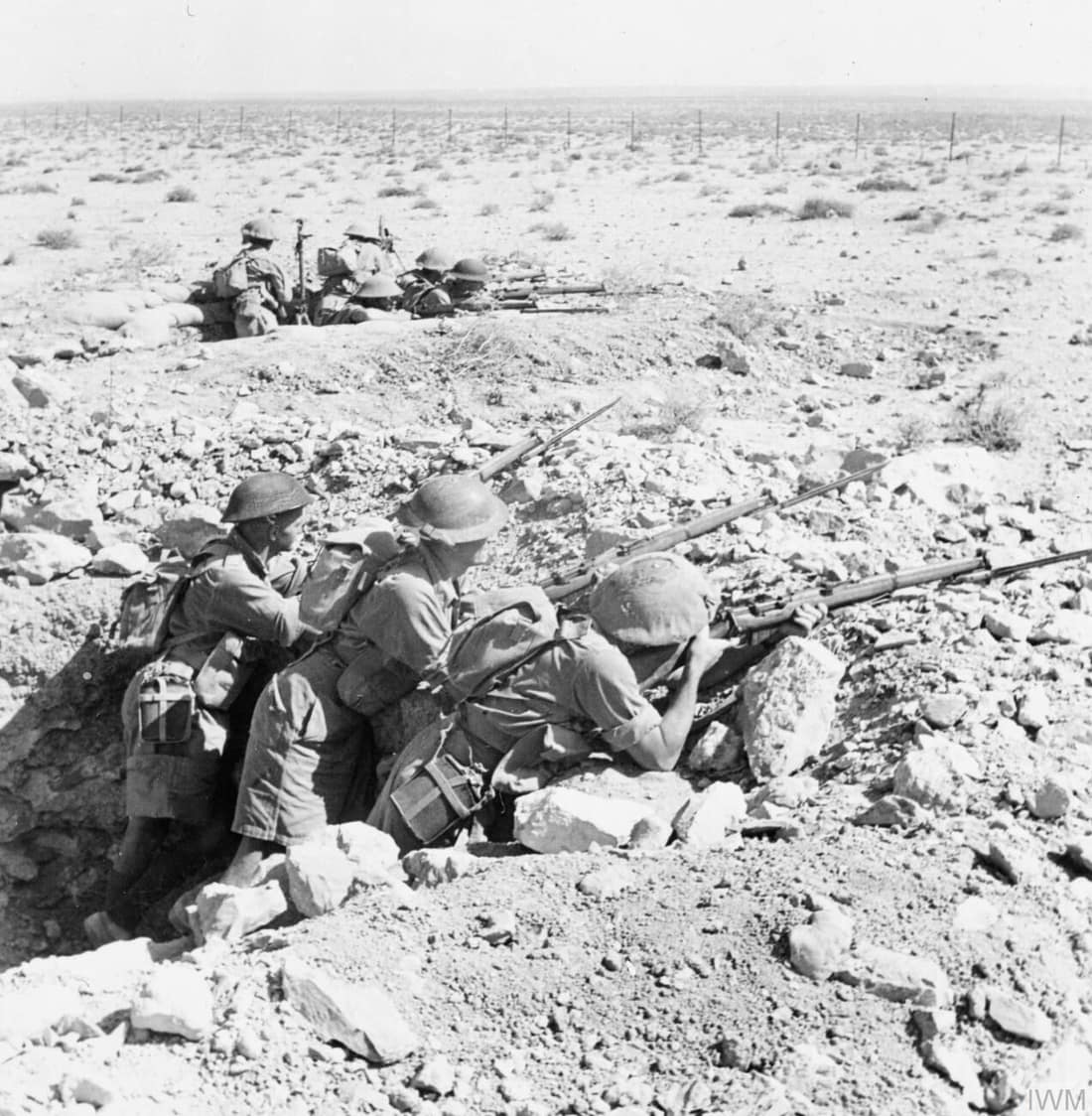
Morshead's four Australian brigades and the British gunners closed the 50-kilometre perimeter on Good Friday with the harbour behind them and the Axis columns already past on the way to the frontier. The Italians had dug the line in 1940: two rings of concrete posts, an anti-tank ditch and wire, all of it derelict and much of it having to be found again in the sand. There was water for 30,000 men and the Navy could reach the port at night.
— The Easter battle
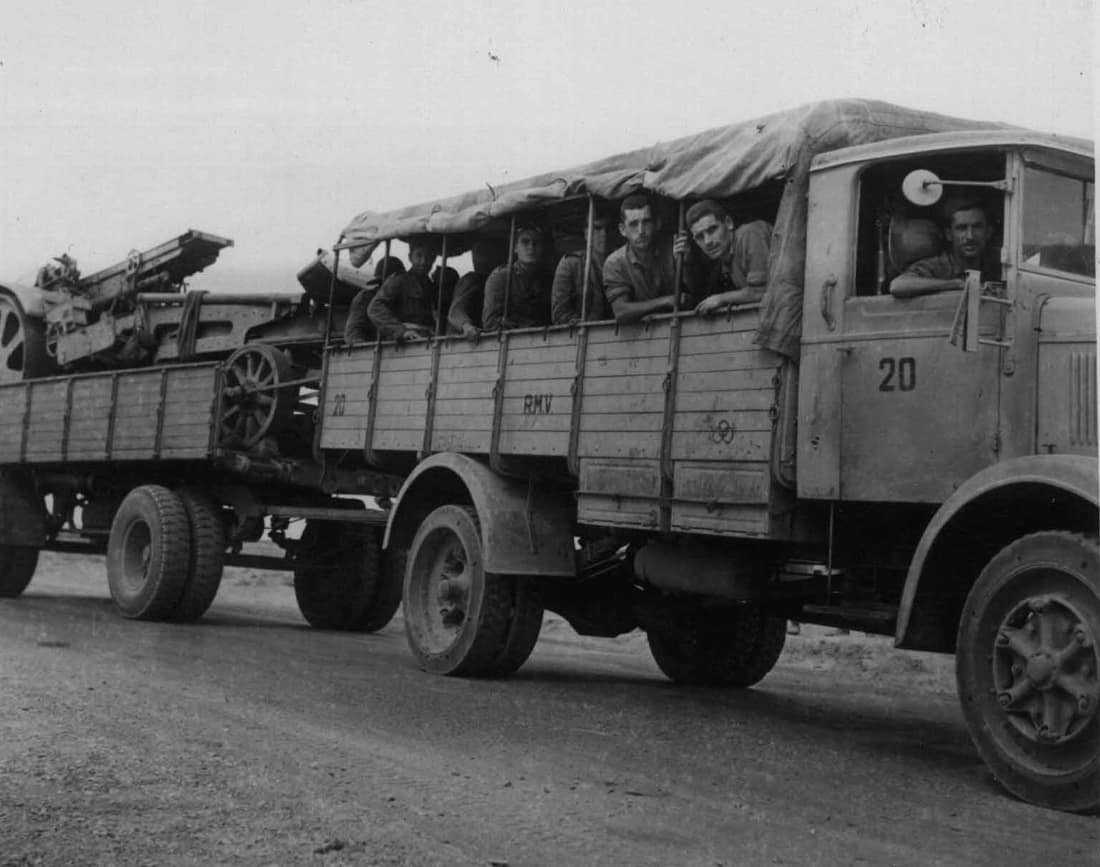
At 02:00 on the 14th, Panzer Regiment 5 came through the wire astride the El Adem road with the machine-gun battalion behind it and drove 3 kilometres in towards the town. The Australian infantry let the tanks through and stopped the lorried infantry at the wire, and the field guns firing over open sights and the anti-tank gunners caught the tanks in the open. Seventeen of 38 tanks were destroyed and the attack was back outside the perimeter by 07:00.
— The salient
The second assault went in on the evening of 30 April against Ras el Medauar, the one piece of high ground on the perimeter, with the newly arrived 15th Panzer Division and Italian infantry. Four days of fighting in dust storms gained a salient 5 kilometres deep and cost about 1,200 German and Italian casualties and 800 Australian. It was the last attempt to take the fortress by storm; from now on the garrison was to be starved out.
— Battleaxe
Two attempts were made from Egypt to reach the fortress. Brevity on 15 May took the Halfaya Pass and lost it again on the 27th. Battleaxe, launched on 15 June with 190 tanks, broke on the dug-in 88s at Halfaya and Hafid Ridge, lost 91 tanks in three days and was called off on the 17th with Rommel's panzers working round its open flank. Churchill replaced Wavell with Auchinleck a fortnight later.
— El Duda
Through the autumn most of the Australians were taken out by destroyer, a few hundred a night, and replaced by the British 70th Division, the Polish Carpathian Brigade and a Czechoslovak battalion. When Crusader opened, the garrison attacked south-east out of the perimeter towards Sidi Rezegh. After a week of battles that swung back and forth across the escarpment the New Zealanders came up the Trigh Capuzzo and met the 70th Division at El Duda on the evening of the 27th.
— The siege lifted
The corridor was cut again on the 30th and the fighting went on around Sidi Rezegh for another week. On 7 December, out of tanks and out of petrol, Rommel gave up the investment and pulled back to the Gazala line, and on the 10th the siege was declared over after eight months. It had cost the garrison about 3,000 dead and 6,000 wounded, and the Royal Navy 25 ships sunk on the run into the harbour.