Pacific · United States and Canada vs Japan
Aleutian Islands Campaign
3 June 1942 – 15 August 1943
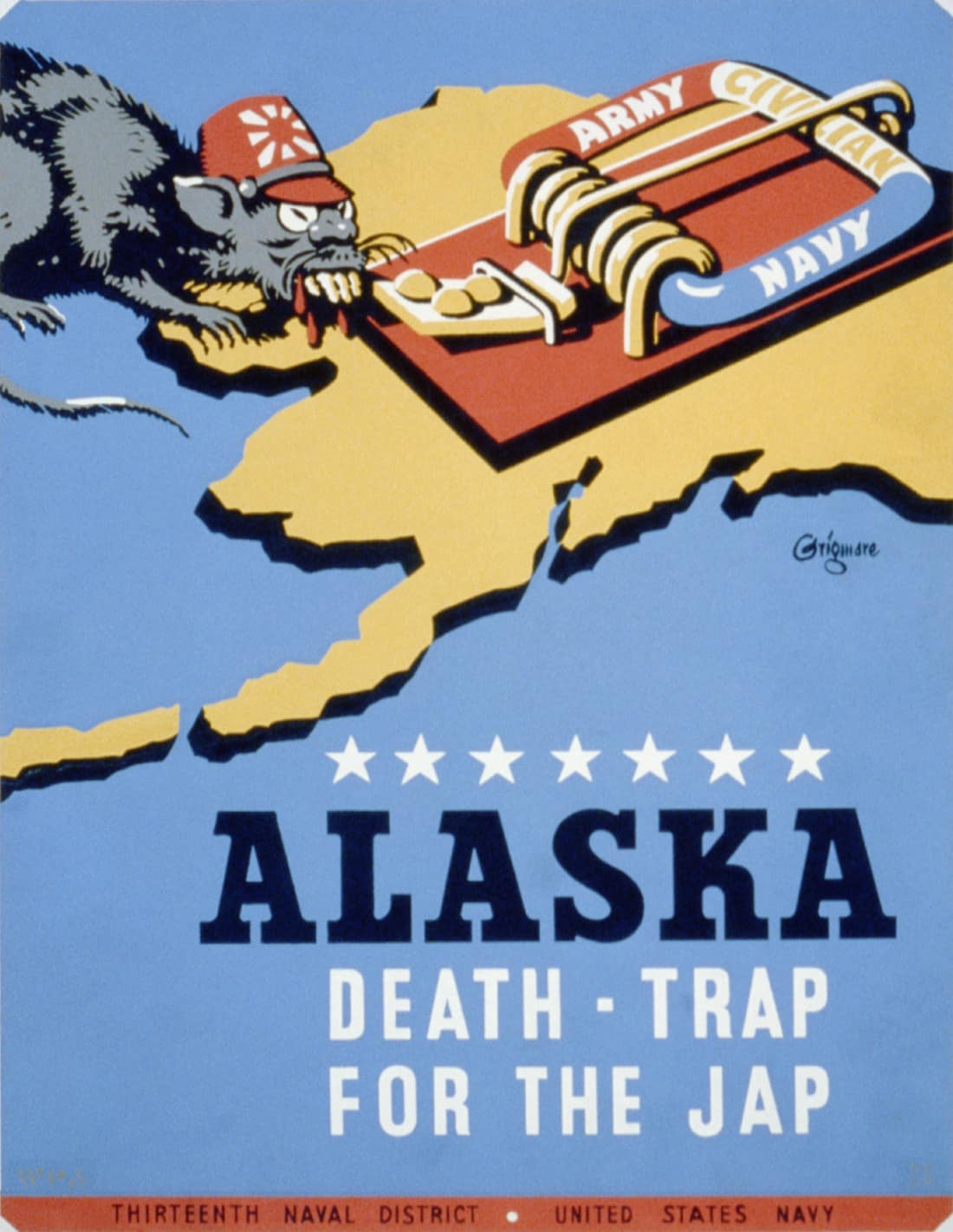
As a sideshow to Midway the Japanese raided Dutch Harbor and occupied the outer islands of Attu and Kiska, the only American territory in North America held by an enemy during the war. Attu was retaken in May 1943 in a bitter three-week fight that ended with a mass banzai charge. The Japanese evacuated Kiska under cover of fog before the Allied landing in August.
Explore Aleutian Islands Campaign on the interactive map · Wikipedia
Day by day
— Dutch Harbor
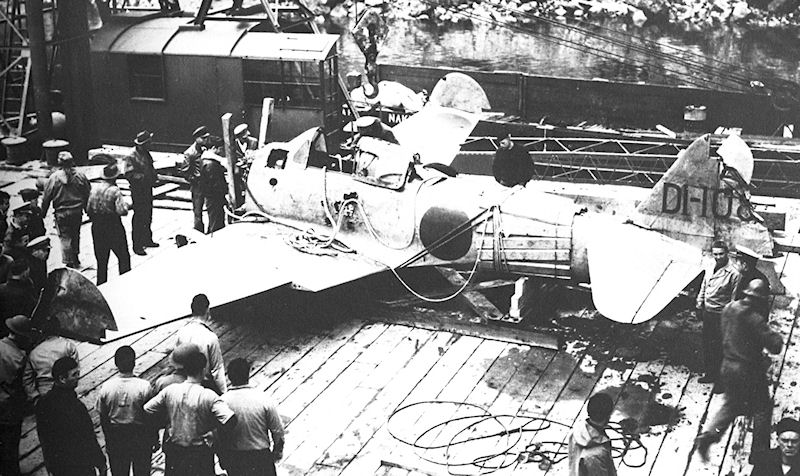
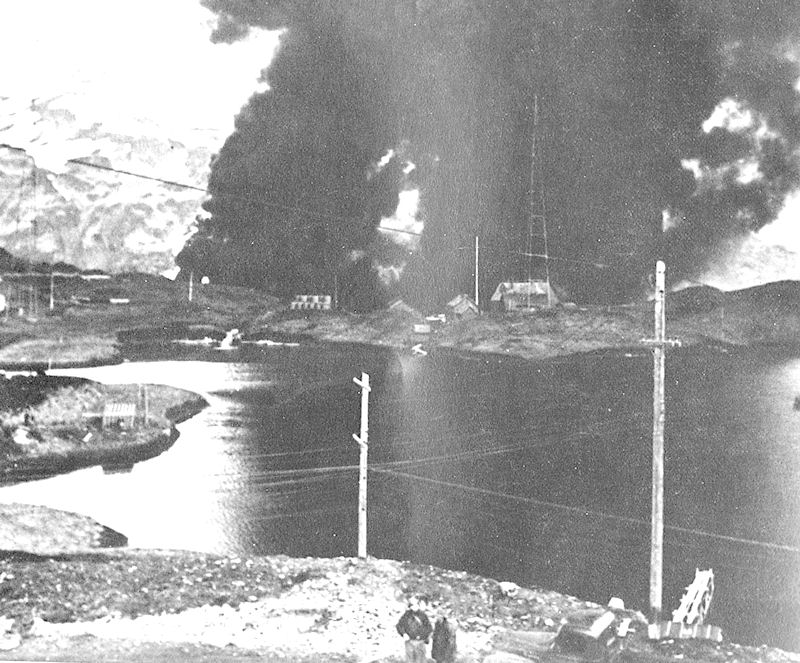
Aircraft from Ryujo and Junyo bomb the naval base at Dutch Harbor on the mornings of 3 and 4 June, killing 43 men and burning the fuel tanks, while the main Japanese effort goes in at Midway 2,000 miles to the south. The weather does most of the flying for both sides. A Zero force-landed on Akutan is recovered intact in July and flown against at Anacostia.
— Kiska and Attu
About 500 naval troops land at Kiska on the 6th and take the ten-man weather station; 1,100 army troops land on Attu on the 7th and find 45 Aleut villagers and a schoolteacher, who are shipped to Hokkaido. It is the only American soil in North America held by an enemy in the war, and the news is kept quiet for a week. Bombing from Umnak, 600 miles off, is the only answer available for months.
— The Komandorskis
McMorris, blockading with two cruisers and four destroyers, runs into Hosogaya escorting a supply convoy with four cruisers south of the Komandorski Islands. They fight for three and a half hours in daylight without aircraft or radar-laid fire on either side; Salt Lake City is hit and lies stopped, but Hosogaya, low on ammunition and expecting bombers, turns for home with the convoy. Kiska and Attu are supplied by submarine after that.
— Landing on Attu
The 7th Division, trained in the California desert and issued leather boots, lands at Massacre Bay in the south and Holtz Bay in the north in fog. Yamasaki's 2,600 men are not on the beaches but dug into the ridges above them, and the two American forces take a week to join up. More men are lost to frostbite and trench foot than to the Japanese.
— Chichagof
Squeezed into the Chichagof valley with no hope of relief, Yamasaki takes his last thousand men through the American line before dawn on 29 May and reaches a rear-area medical station and an artillery position before he is stopped; almost all of them die, many by their own grenades. Of 2,600 defenders, 28 are taken prisoner; the 7th Division loses 549 dead. Only Iwo Jima would cost more Americans per Japanese defender.
— Nobody on Kiska
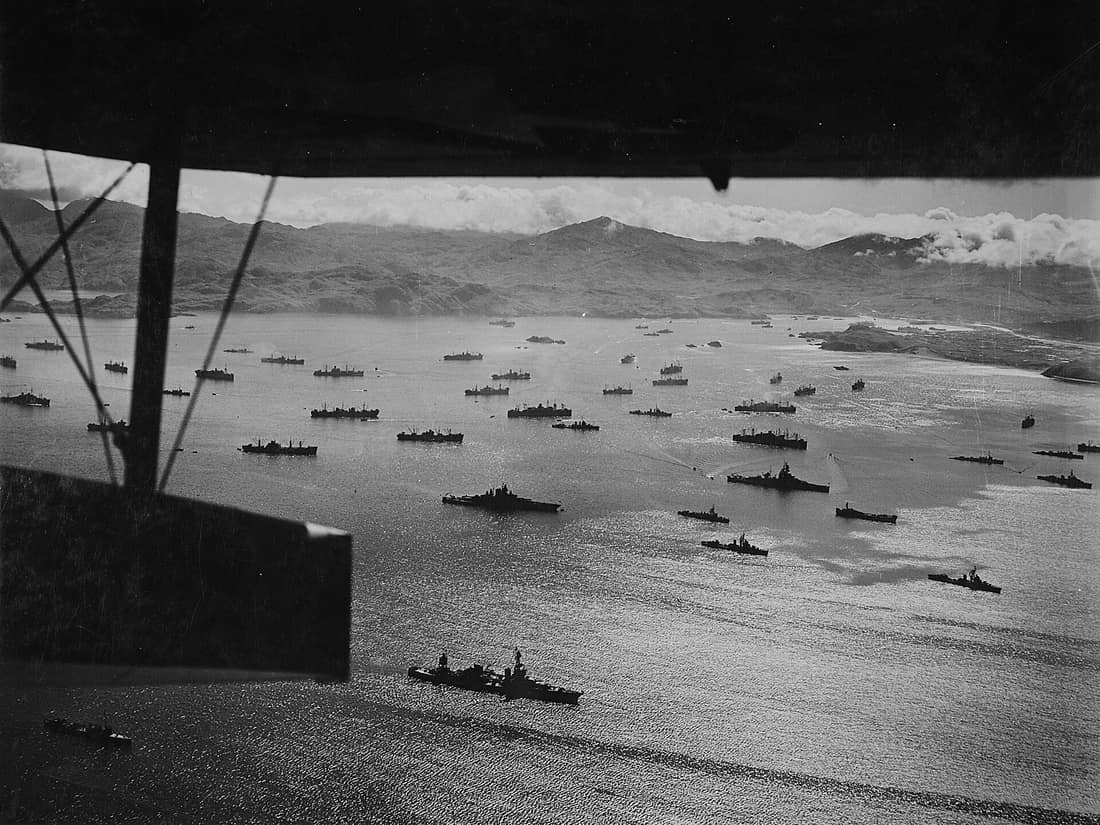
Two cruisers and ten destroyers came into Kiska harbour in fog on 28 July and took off the whole garrison of 5,183 men in fifty-five minutes; the Americans went on bombing the empty island for a fortnight. On 15 August about 34,000 American and Canadian troops land and spend two days finding nothing, losing 32 killed to their own fire and mines and 71 more when the destroyer Abner Read hits a mine. The Aleutians are clear and the theatre goes quiet.
.jpg)