Pacific · United States vs Japan
Battle of Wake Island
8 December 1941 – 23 December 1941
The small Marine garrison and civilian contractors on Wake held out for sixteen days against air attack and two landing attempts. The first Japanese assault was beaten off with the loss of two destroyers, the only time in the war an amphibious landing was defeated at the beach. A relief force was recalled and the atoll surrendered on 23 December.
Explore Battle of Wake Island on the interactive map · Wikipedia
Day by day
— The first raid
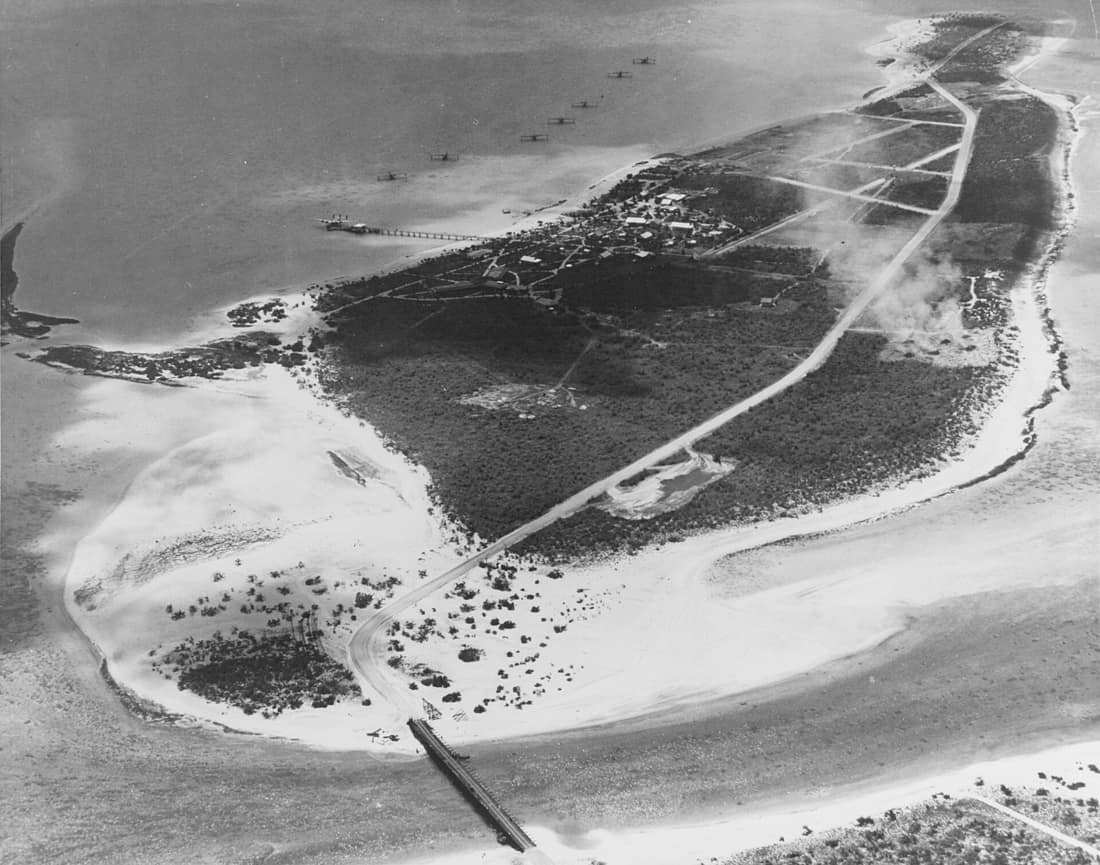
Thirty-six bombers from Roi in the Marshalls come out of a rain squall at 11:58 and destroy seven of the twelve Wildcats of VMF-211 on the ground; twenty-three of the squadron's men are killed. Wake has 449 Marines, 68 sailors and about 1,200 civilian contractors, six five-inch guns and no radar. The raids come every day after that.
— The landing beaten off
Kajioka closes the south shore before dawn with three cruisers, six destroyers and two transports. Devereux holds his fire until the ships are inside 4,500 metres, then Battery L at Peacock Point hits the destroyer Hayate and blows her in half. The four surviving Wildcats catch Kisaragi and set off her depth charges; the force turns back, the only landing in the war stopped at the beach.
— The relief recalled
Task Force 14, built around Saratoga and bringing VMF-221 and the 4th Defense Battalion, is still 600 miles out when Pye orders it back to Pearl Harbor rather than risk a carrier. The last two Wildcats are shot down the same day by aircraft from Soryu and Hiryu, detached from the force returning from Hawaii.
— The surrender
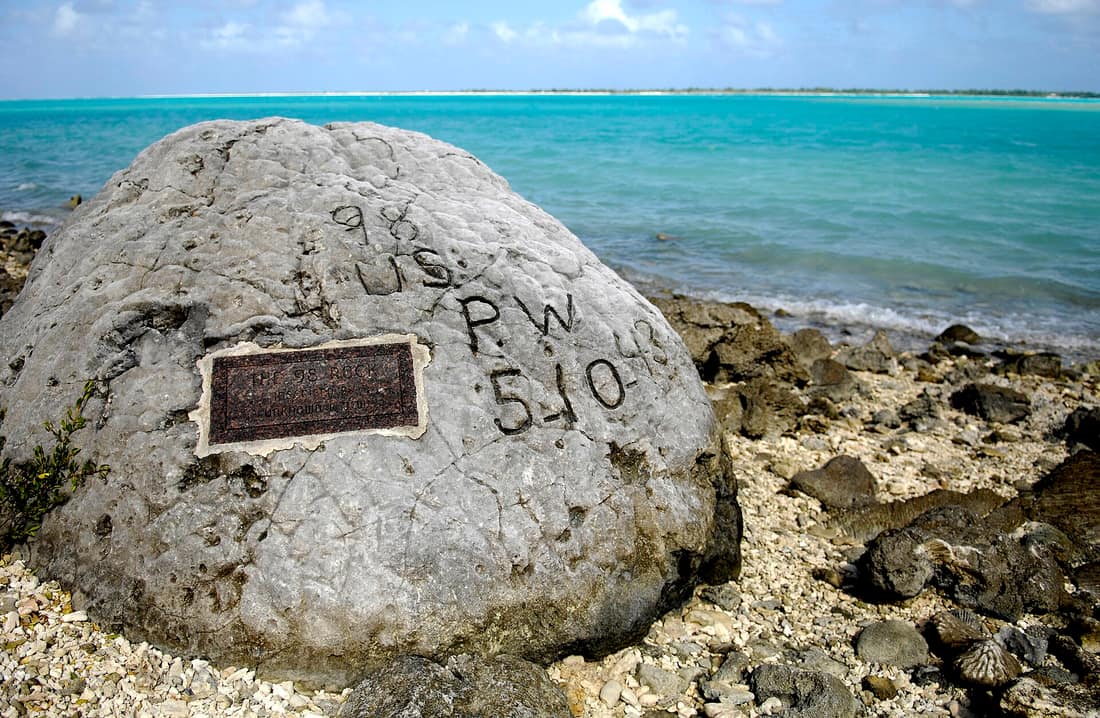
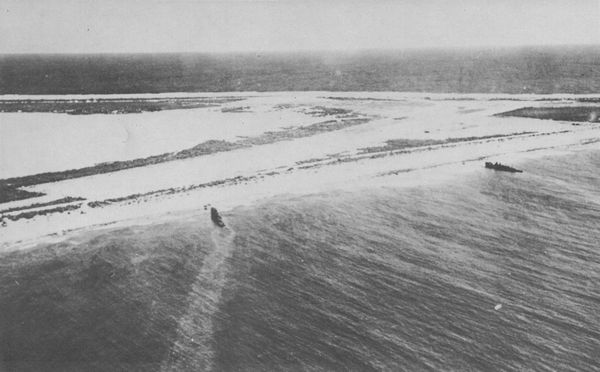
Kajioka comes back with two patrol boats run aground on the south shore of Wake and a company put over on Wilkes, about 1,000 men in all, landing at 02:35. The Wilkes party is wiped out by the Marines at dawn, but on Wake the defenders are cut off in pockets around the airstrip. Cunningham surrenders at about 13:30; 1,600 Americans go into captivity and 98 civilians kept on the island are shot in 1943.