China, Burma and India · British Commonwealth vs Japan
Battle of Kohima
4 April 1944 – 22 June 1944
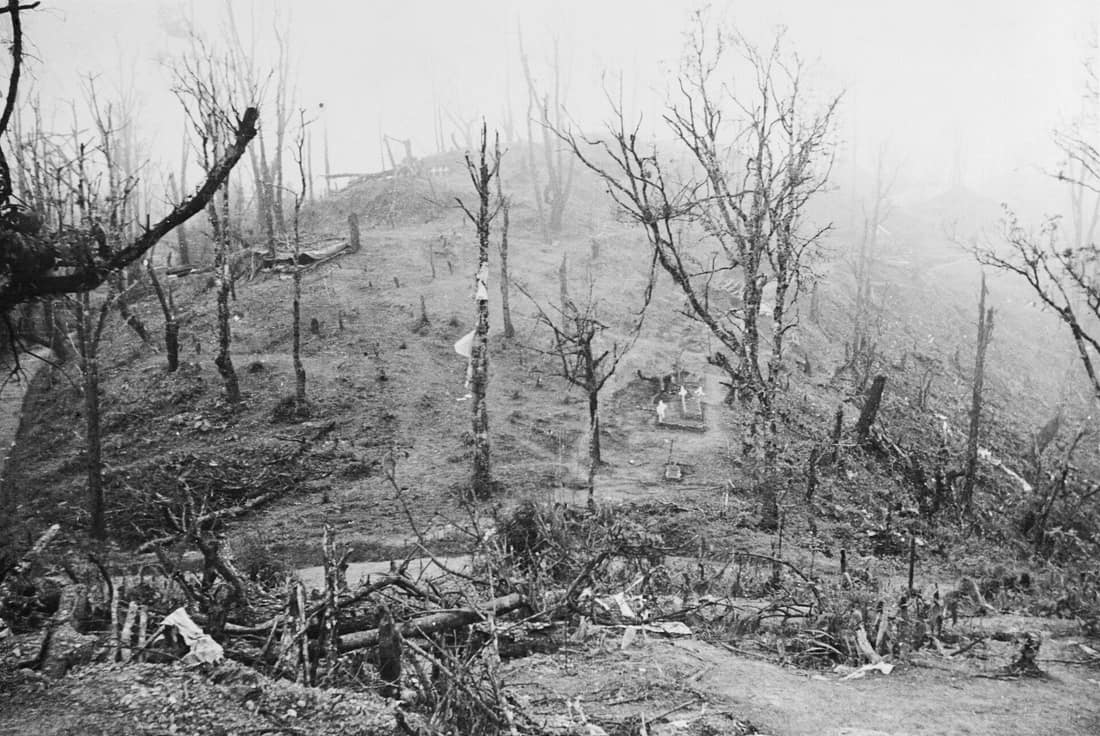
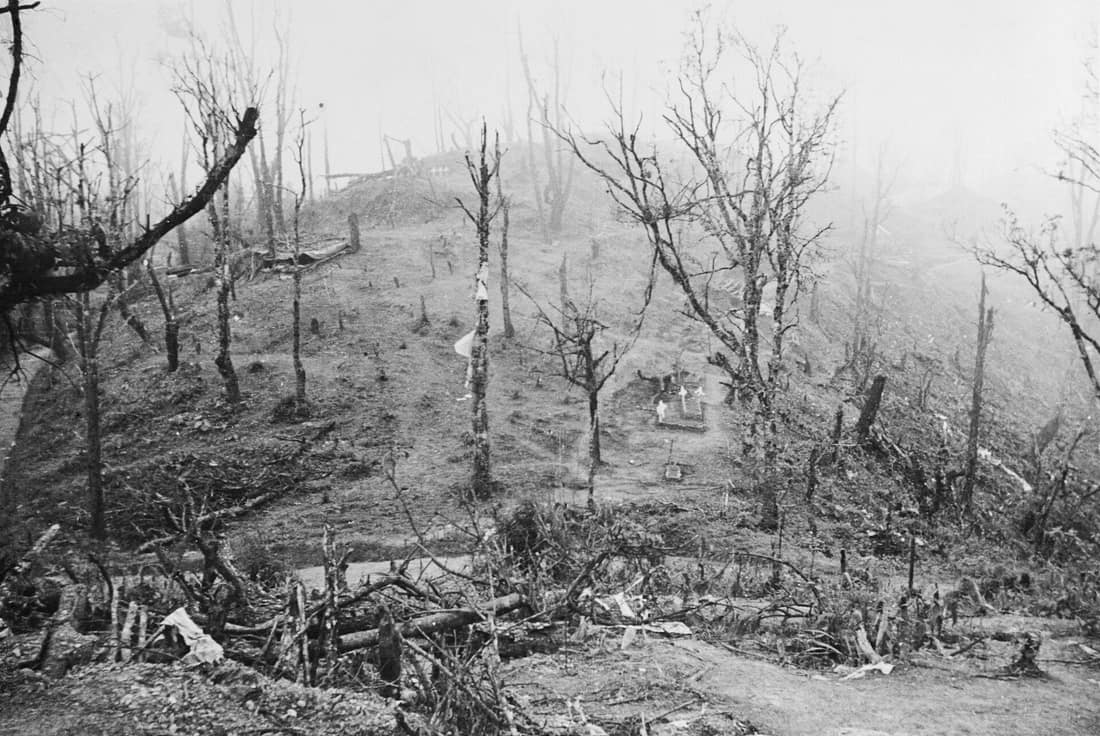
The Japanese 31st Division marched through the hills to seize Kohima, the pass on the only road from the railhead at Dimapur to Imphal. A scratch garrison of about 1,500 held the ridge for two weeks against 15,000, at the end fighting across the width of the District Commissioner's tennis court. The 2nd Division relieved them and then spent six weeks clearing the Japanese from the surrounding ridges.
Explore Battle of Kohima on the interactive map · Wikipedia
Day by day
— The 31st Division arrives
Sato's division has marched a hundred and sixty miles over the hills from the Chindwin, brushing the Assam Regiment aside at Jessami, and its leading troops reach Kohima on the 4th. The pass carries the only road from the railhead at Dimapur to Imphal. About 1,500 fighting men hold the ridge; some 15,000 are coming at them.
— The perimeter
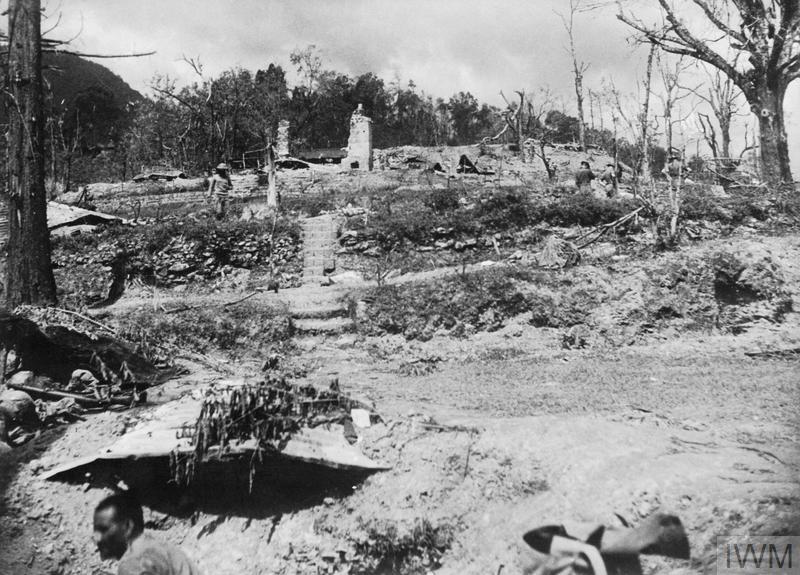
The garrison is squeezed off Jail Hill and the supply dumps in three nights and holds a patch of Garrison Hill a few hundred yards across, with the Japanese in the District Commissioner's bungalow on the far side of his tennis court. Water is rationed to a pint a day and the wounded lie in the open under mortar fire. The 161st Brigade, itself surrounded at Jotsoma, fires the garrison's artillery support from two miles away.
— Relief
The 161st Brigade and the 2nd Division fight their way up the road from Zubza and reach the ridge on the 18th; the original garrison, which has been under attack for a fortnight, is carried out on the 20th. The 2nd Division now has to take the ridge back hill by hill, and the Japanese are dug into positions that have to be blown open one at a time.
— The tennis court
Six weeks of close fighting clear the ridge: Jail Hill and GPT Ridge on 11 May, and on the 13th a Grant tank of 149 RAC is winched up the terraces to fire point-blank across the tennis court while the Dorsets go in behind it. The bungalow and the court are taken, and the Naga Village falls the same week. The positions are yards apart and both sides are being fed on what can be carried up the hill.
— Sato withdraws
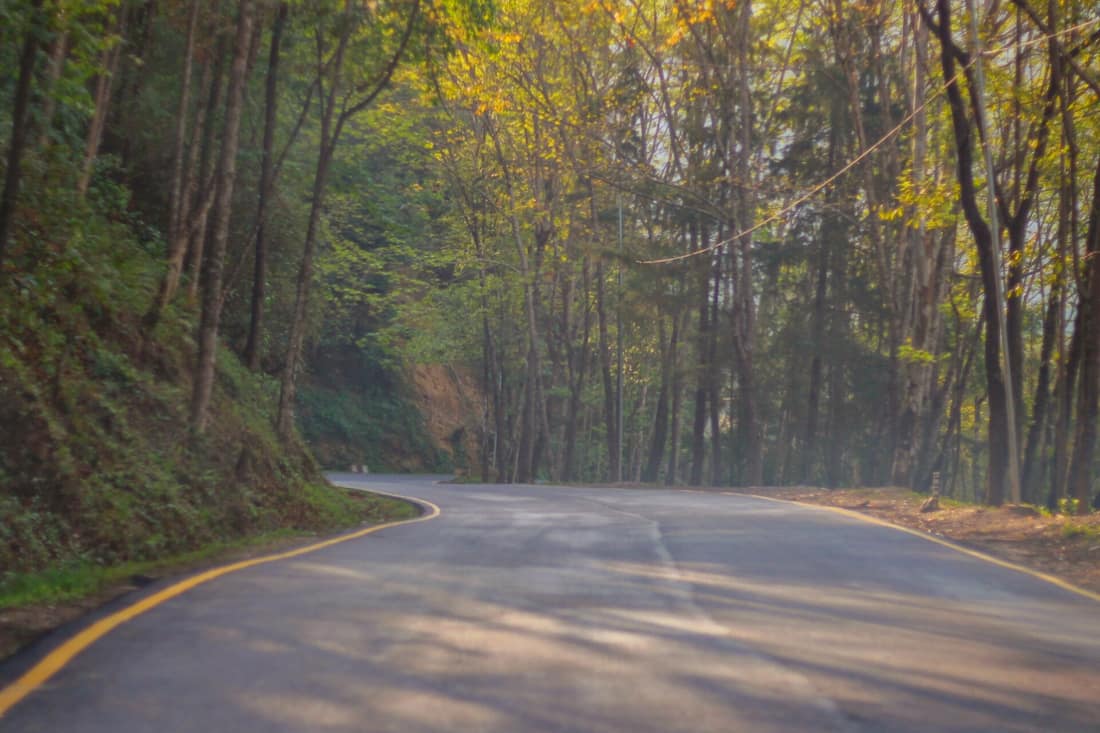
Sato's men have had no supplies since April and are eating what the hills provide. On 31 May he orders the 31st Division back against Mutaguchi's express orders, the only Japanese divisional commander of the war to do so, and signals that his division is at the limit of human endurance. The retreat is south down the Imphal road through Viswema and Mao Songsang.
— Milestone 109
The 2nd Division drives down the road against rearguards in every cutting and meets the 5th Indian Division coming up from Imphal at Milestone 109 on the 22nd. Kohima cost the British and Indian divisions about 4,000 casualties and the 31st Division most of its strength; the road to Imphal is open for the rest of the war.