China, Burma and India · British Commonwealth vs Japan
Battle of Imphal
8 March 1944 – 3 July 1944
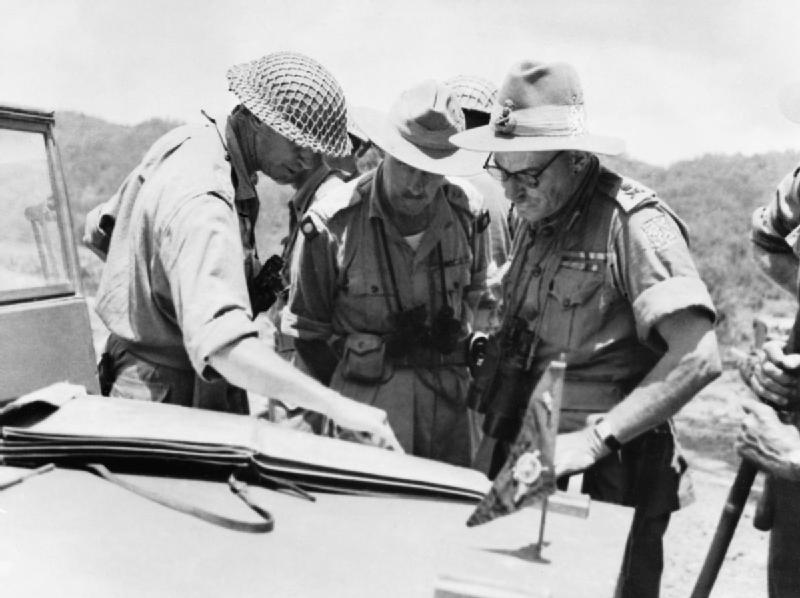
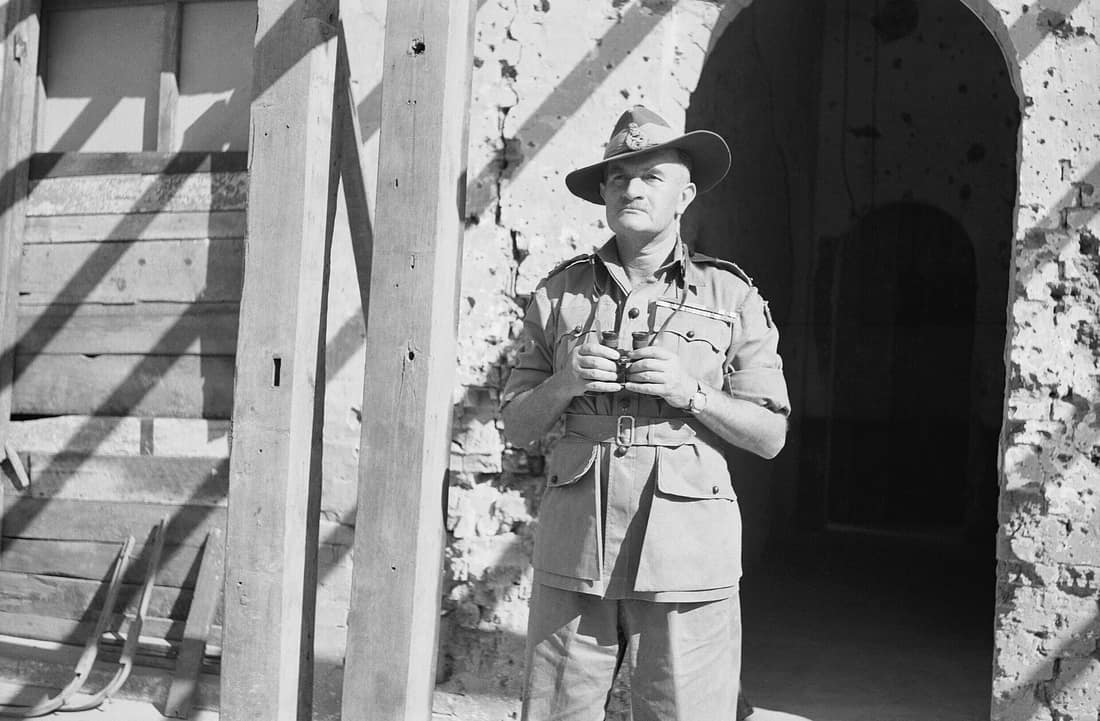
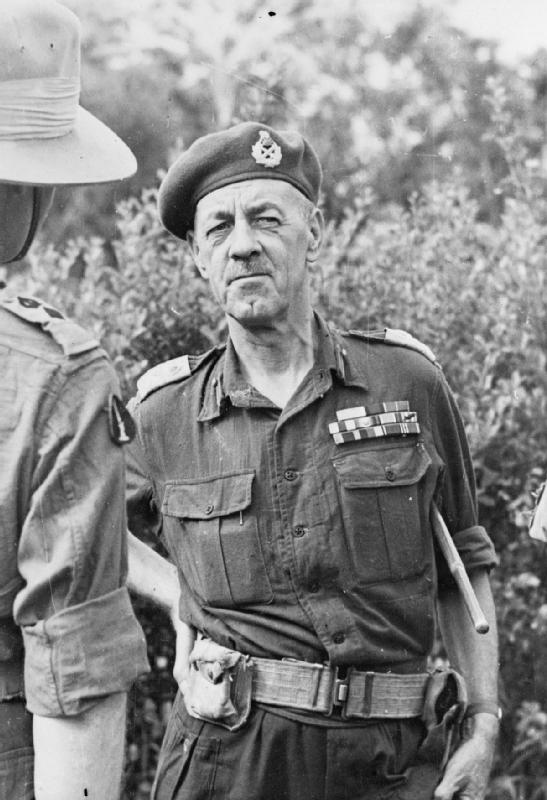
The Japanese 15th Army crossed the Chindwin into India to seize the Imphal plain and the base of the British Fourteenth Army. Slim pulled his forward divisions back onto the plain and fought the Japanese to a standstill on every approach while air supply kept the garrison fed. The Japanese retreat in July was a rout in which most of their losses were to starvation and disease.
Explore Battle of Imphal on the interactive map · Wikipedia
Day by day
— U-Go
The 33rd Division crosses the Chindwin and starts up the Tiddim road to cut off the 17th Indian Division; the 15th and 31st follow a week later, aiming at Imphal from the north-east and at Kohima beyond it. Slim means to fight on the plain, where his artillery and tanks can be used and the Japanese will be at the end of a mountain track with twenty days of rations.
— The road cut
The Japanese put a block across the Kohima road north of Imphal and the garrison is cut off by land; from now on it is fed by air, 540 tons a day at the peak. The 17th Division is fighting its way back up the Tiddim road through successive blocks, and at Sangshak the parachute brigade has held the 31st Division for six days at the cost of most of its strength.
— Nungshigum
Japanese infantry take Nungshigum, a hill six miles from the main airfield and in sight of the whole plain. On the 13th the 3rd Carabiniers drive their tanks up a slope the makers never intended and the Dogras clear the crest; every British tank officer is hit. It is the closest the Japanese come to Imphal.
— Bishenpur
The heaviest fighting of the siege is on the southern approach, where the 33rd Division attacks the Bishenpur box again and again through May and the villages change hands by the house. Both sides are now short of everything; the Japanese have no supply line at all, and the monsoon has begun.
— The road open
The 2nd Division coming down from Kohima and the 5th Indian Division coming up from Imphal meet at Milestone 109 on the 22nd, eighty days after the road was cut. Lorries are through to Imphal the same afternoon.
— The retreat
Mutaguchi is at last allowed to call off the offensive and his three divisions walk back to the Chindwin in the rains, leaving their guns and their sick. Of some 85,000 men who set out, more than 50,000 are lost, most of them to starvation and disease rather than to fire. It is the largest defeat in the history of the Japanese army.
![Gurkhas advancing with Lee tanks to clear the Japanese from Imphal-Kohima road [N.E. India]](/photos/battle-of-imphal-1.jpg)