Eastern Front · Finland and Germany vs Soviet Union
Continuation War
25 June 1941 – 19 September 1944
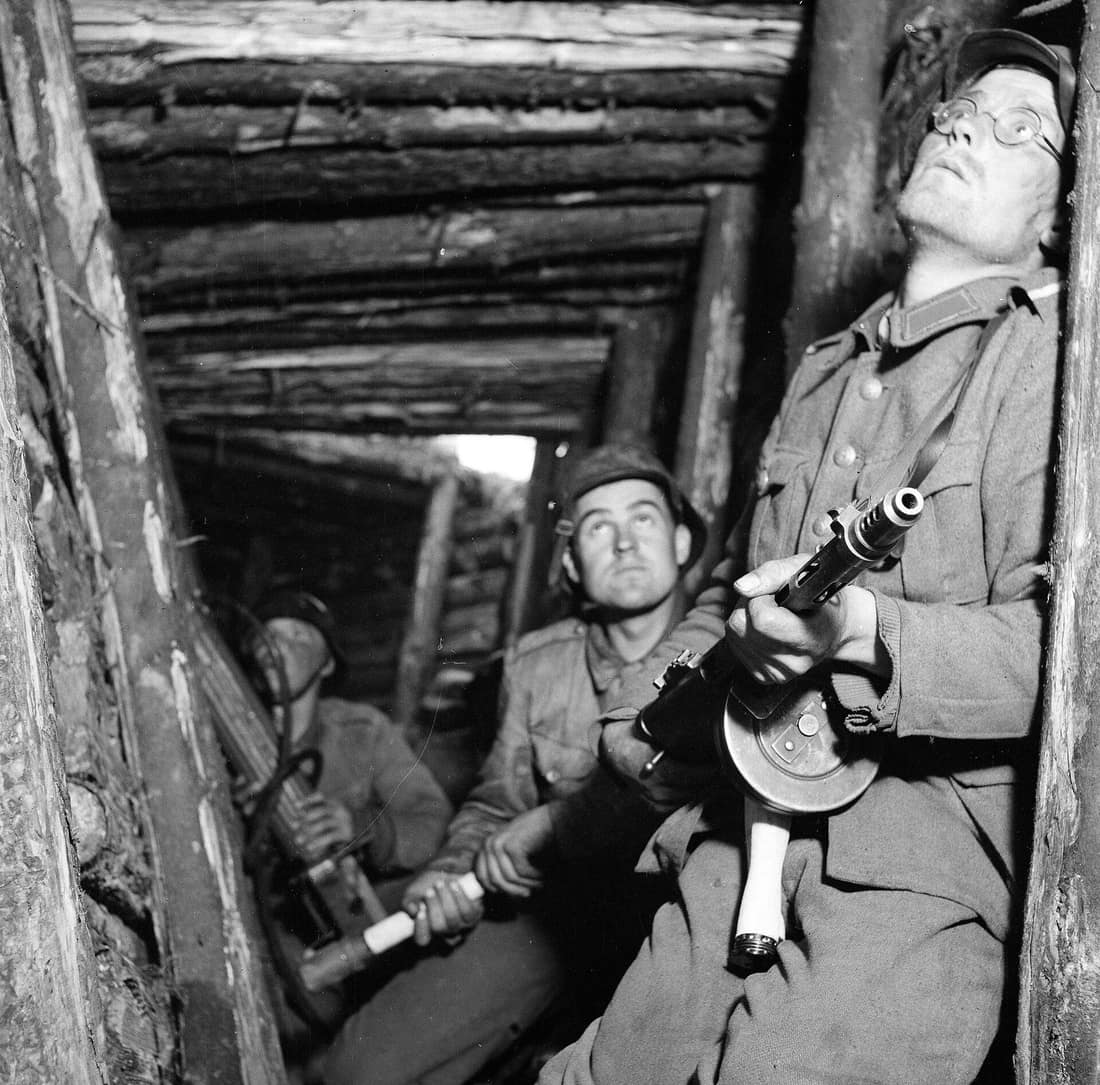
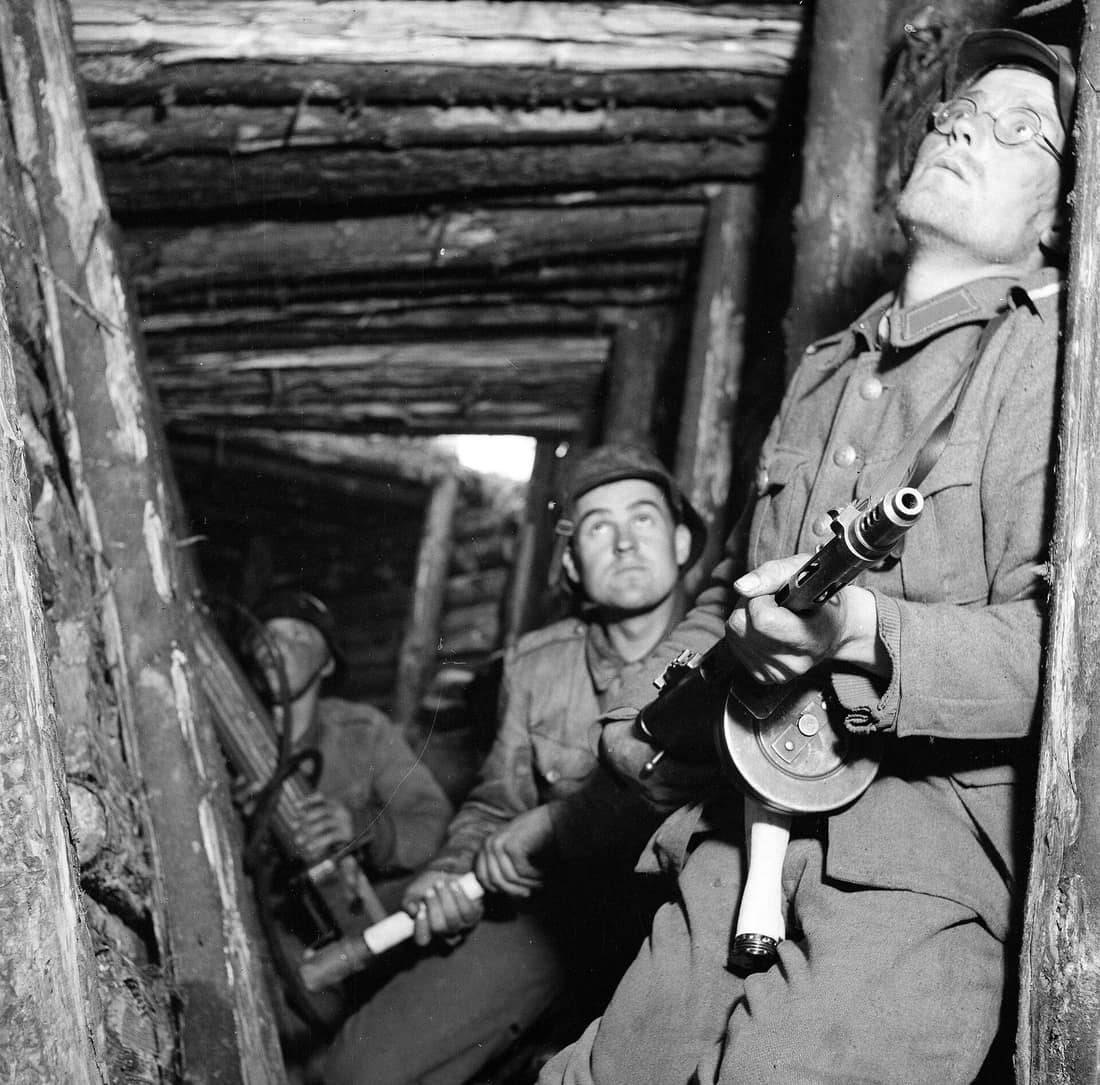
Finland joined the German attack to recover the territory lost in 1940 and pushed beyond the old border into East Karelia. The front then remained static until the Soviet offensive of June 1944, after which Finland negotiated an armistice and turned on the German troops in Lapland.
Explore Continuation War on the interactive map · Wikipedia
Day by day
— Finland at war
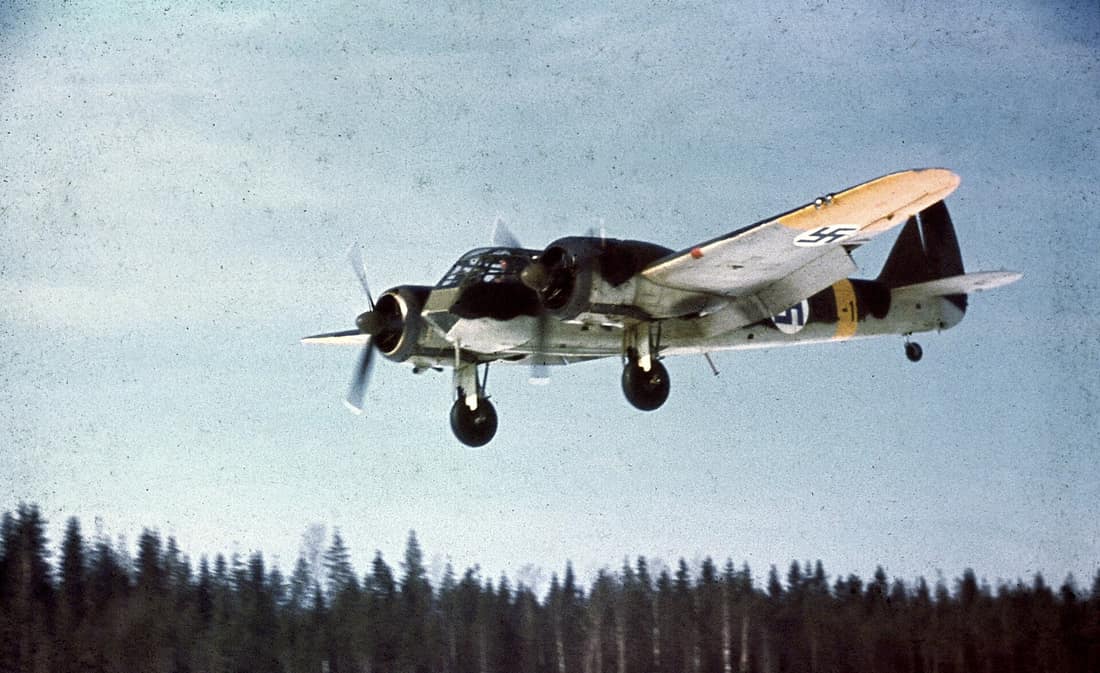
Three days after Barbarossa opens, some 500 Soviet bombers attack Finnish airfields and towns, and parliament is told that the country is at war. Finland has sixteen divisions in the field and German troops in the far north, but it fights its own war with its own aims: the border of 1939.
— Viipuri retaken
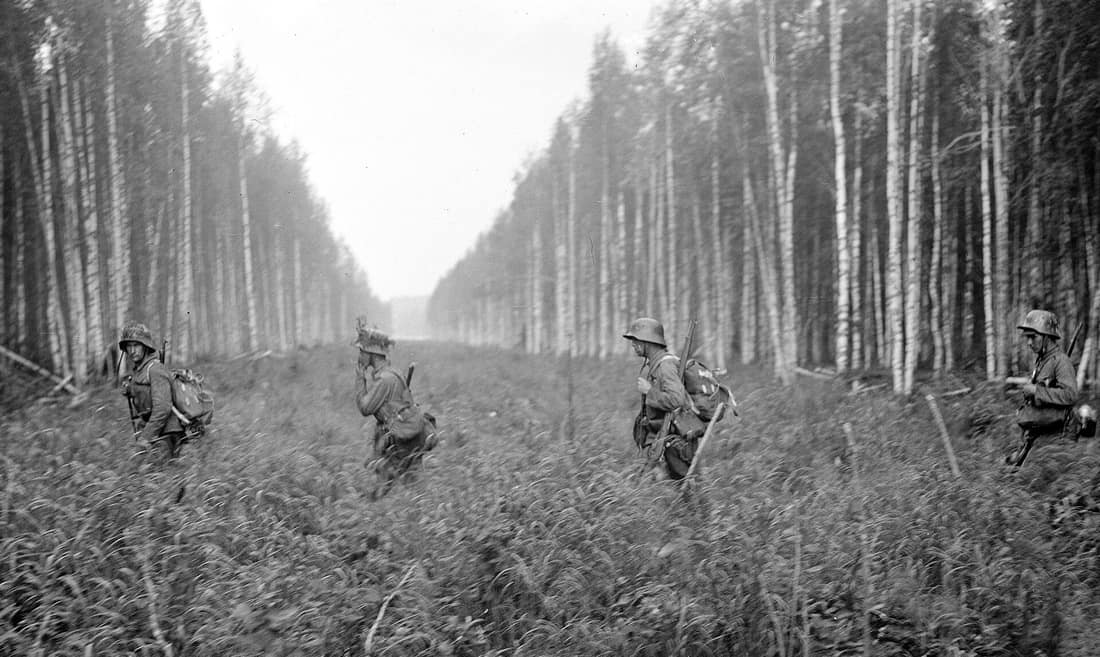
The Karelian Army attacked north of Ladoga on 10 July and II and IV Corps on the isthmus at the end of the month. Three Soviet divisions are cut off on the coast west of Viipuri and lose their heavy equipment getting out by sea. Viipuri is entered on 29 August, fourteen months after it was given up.
— The Svir and Maaselka
Petrozavodsk fell on 1 October and Medvezhyegorsk on 5 December; the Karelian Army stands on the Svir and across the Maaselka isthmus, cutting the Murmansk railway at Povenets. On the isthmus Mannerheim halted on the old border and refused to attack Leningrad. The front now stays where it is for two and a half years.
— The Soviet offensive
The Leningrad Front opens the Vyborg-Petrozavodsk operation on the isthmus with 260 guns to the kilometre at Valkeasaari, the heaviest preparation the Red Army had yet fired. The Finnish main line goes in a day and the VT line four days later. Twenty divisions and 600 tanks are pushing north-west up a front of sixteen kilometres.
— Tali-Ihantala
Viipuri fell on 20 June and the Svir line was given up when the Karelian Front attacked across it on the 21st; Petrozavodsk was abandoned on the 28th. On the isthmus the Finns, with German assault guns, aircraft and Panzerfausts, stop the 21st Army at Tali-Ihantala between 25 June and 9 July in the largest battle fought in the Nordic countries. The Soviet main effort is then moved south to Belorussia.
— The Moscow Armistice
Finland asks for terms in August, breaks with Germany on 2 September and stops firing on the 5th. The armistice signed in Moscow on the 19th restores the 1940 border, adds Petsamo, leases Porkkala, sets an indemnity of 300 million dollars and requires the German troops in Lapland to be expelled. Finland then fights them out over the next seven months, and keeps its independence.