Eastern Front · Soviet Union vs Poland
Soviet Invasion of Poland
17 September 1939 – 6 October 1939
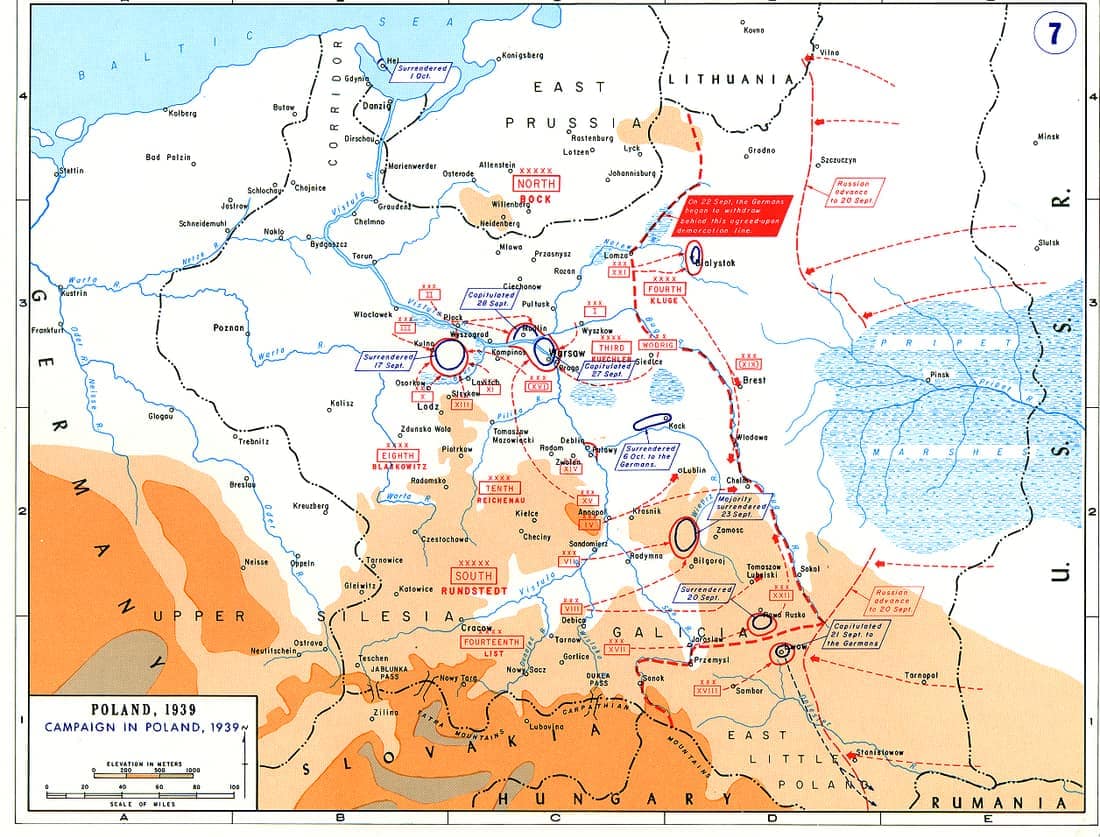
Sixteen days after the German attack, the Red Army crossed Poland's eastern border under the secret terms of the Molotov-Ribbentrop pact. Polish forces, already collapsing in the west, were ordered not to resist except in self-defence. The country was partitioned along the Bug and San rivers.
Explore Soviet Invasion of Poland on the interactive map · Wikipedia
Day by day
— The frontier crossed
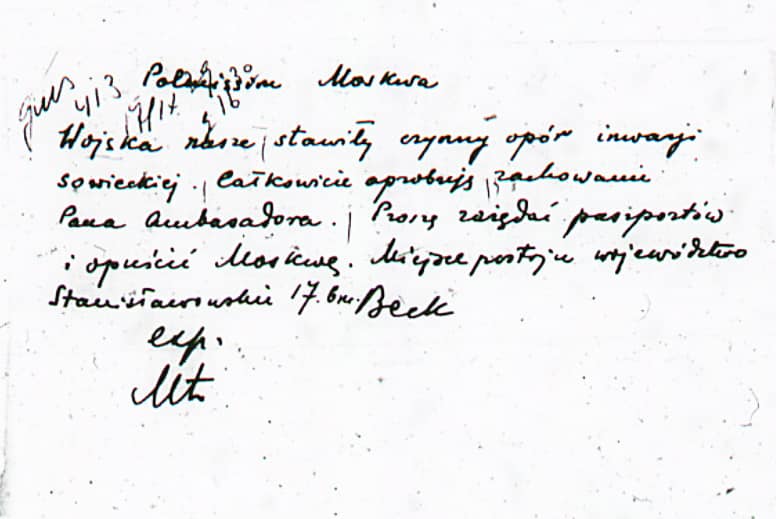
At 03:00 the Soviet ambassador is handed a note saying the Polish state has ceased to exist; at dawn the Belorussian and Ukrainian Fronts cross on a front of 1,400 kilometres with some 600,000 men. Rydz-Smigly orders no fighting except in self-defence. The Germans, sixteen days into their own campaign, are already at Brest-Litovsk and outside Lwow.
— Vilnius
Vilnius is taken after a night of street fighting by scratch units of volunteers and police. That evening the President, the government and the high command cross the Cheremosh into Romania and are interned. The Red Army is meeting frontier guards, depot units and the odd improvised brigade, and little else.
— Lwow and Brest
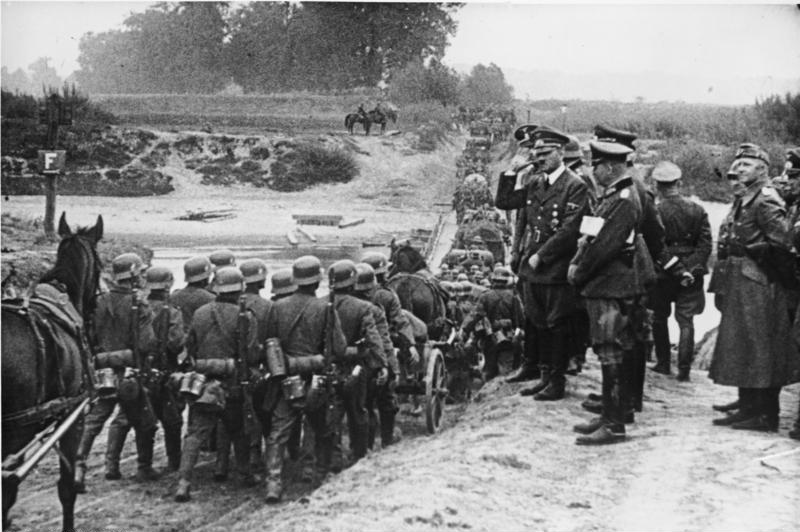
Lwow, which has held off the Germans for ten days, surrenders to the Red Army on terms that are not kept. At Brest-Litovsk the two armies hold a joint ceremony as Guderian hands the fortress over to Krivoshein. Only the Polesie group under Kleeberg and a handful of formations in the Lublin country are still fighting.
— The partition line
The Boundary and Friendship Treaty moves the line east from the Vistula to the Bug and the San, and gives Lithuania to the Soviet sphere in exchange. German troops pull back from Bialystok, Brest and Lwow; Soviet troops move in behind them. Warsaw capitulates the same day.
— Kock
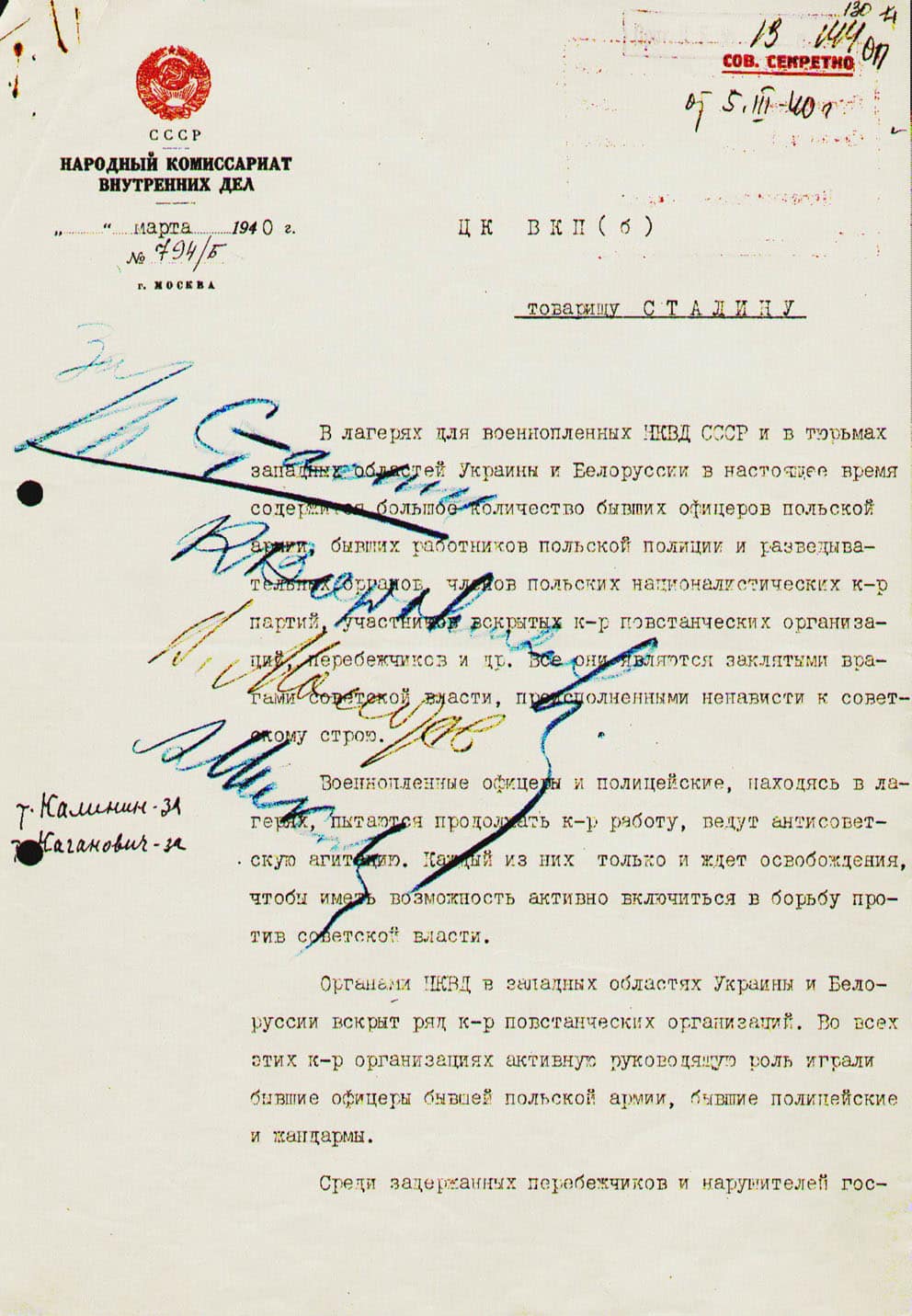
Kleeberg's Independent Operational Group Polesie, out of ammunition after four days of fighting the Germans at Kock, lays down its arms: the last organised Polish formation in the field. Poland has ceased to exist as a state for the second time in its history, and about 230,000 of its soldiers are in Soviet hands.