Eastern Front · Germany and Romania vs Soviet Union
Battle of the Caucasus
25 July 1942 – 9 October 1943
Army Group A drove south from Rostov towards the oilfields of Grozny and Baku, reaching the Terek and planting a flag on Mount Elbrus, but ran out of fuel and troops in the mountains. After Stalingrad it withdrew, leaving 17th Army in the Kuban bridgehead until October 1943.
Explore Battle of the Caucasus on the interactive map · Wikipedia
Day by day
— Edelweiss
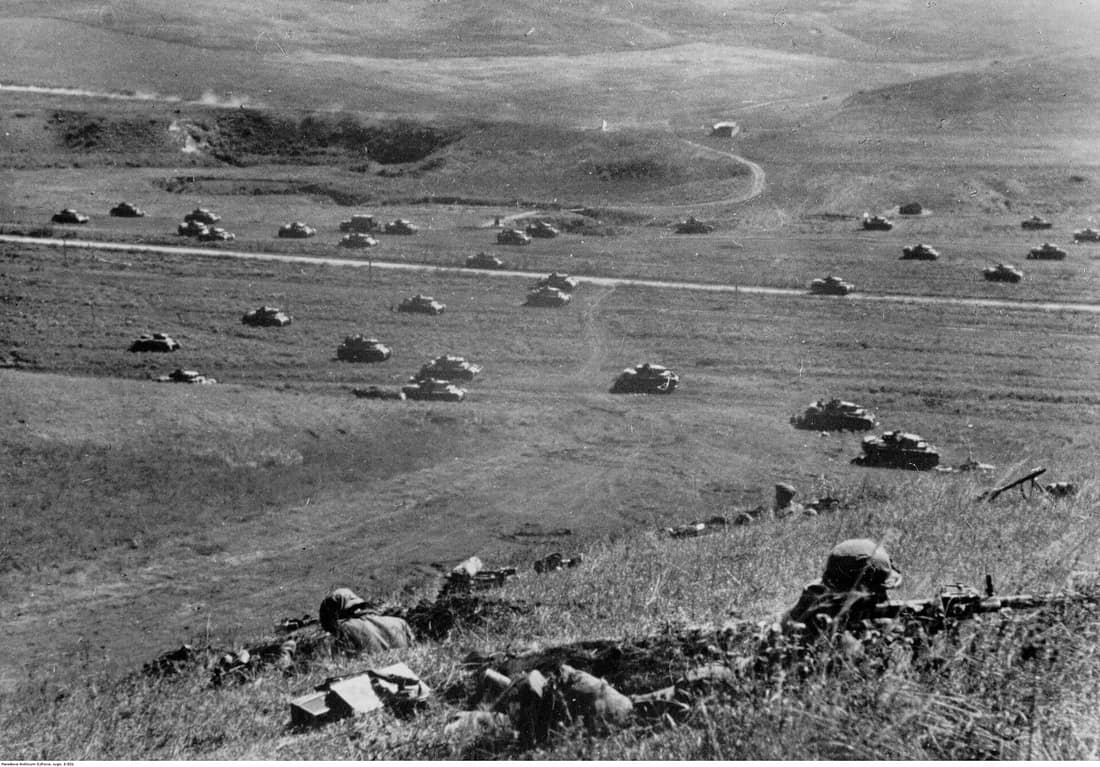
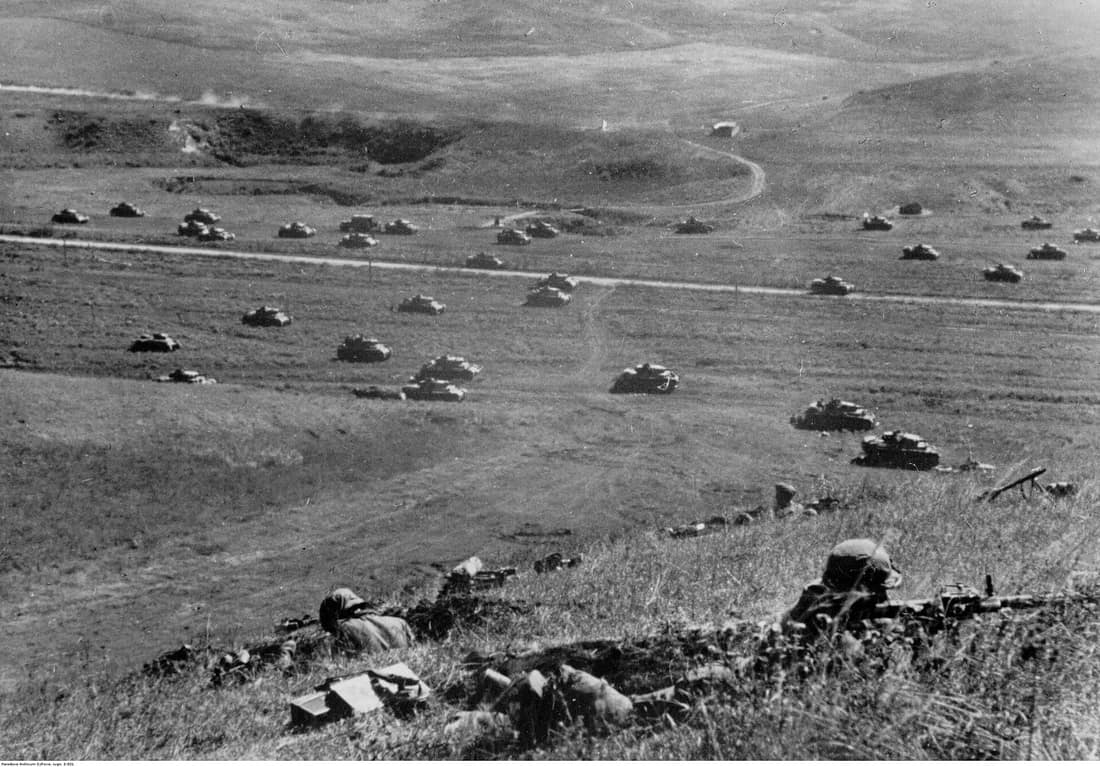
Army Group A crosses the lower Don at Rostov and Tsimlyanskaya on a 200-kilometre front. Its orders are Maikop, Grozny and Baku: the oil that Germany has gone to war in the south to get. The Soviet Southern Front, broken at Rostov, is falling back across open steppe with nothing to stand on before the Kuban.
— Elbrus
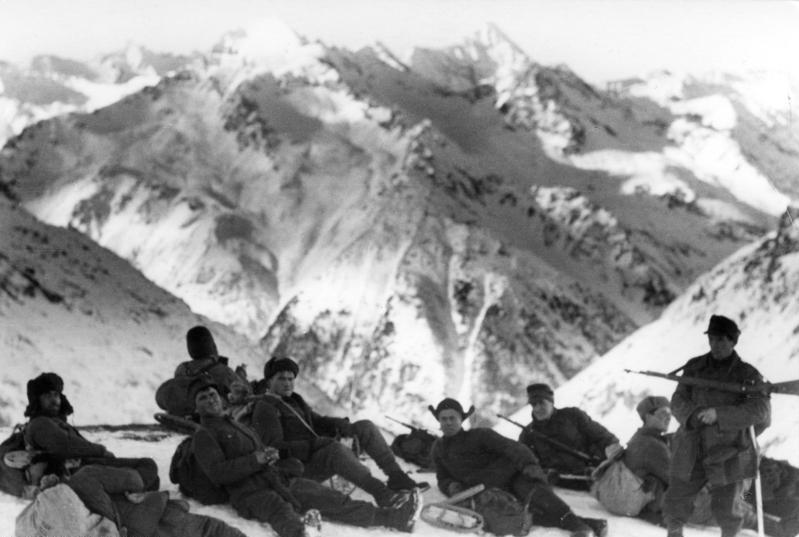
In four weeks the panzers have covered 400 kilometres: Stavropol on the 3rd, Armavir on the 7th, Krasnodar and Maikop on the 9th, the Maikop wells wrecked before they arrived. Today a party of the 1st Mountain Division plants the flag on Elbrus, 5,642 metres, which Hitler calls a stunt. The passes are held; the coast road to Tuapse and the Terek are where it will be decided.
— Novorossiysk
Seventeenth Army takes Novorossiysk after a week of fighting, but is stopped at the cement works on the east side of the bay and never uses the port. On the Terek, First Panzer Army has a bridgehead at Mozdok and is fighting for the Malgobek oil hills; Grozny is twenty kilometres away and out of reach. Hitler has sacked List and is commanding the army group himself from East Prussia.
— The withdrawal
The last push, on Ordzhonikidze in November, was stopped at Gizel. With Sixth Army sealed in at Stalingrad and the Soviets driving on Rostov, Army Group A would be cut off if it stayed. First Panzer Army starts north tonight, 600 kilometres from Rostov with the Soviets closer to it than they are.
— Malaya Zemlya
First Panzer Army is out through Rostov, which the Soviets retake on the 14th; Seventeenth Army is falling back into the Kuban bridgehead. Tonight a diversionary landing of 275 marines under Major Kunikov gets ashore at Myskhako, south of Novorossiysk, and holds when the main landing at Yuzhnaya Ozereyka fails. The Malaya Zemlya bridgehead is held for 225 days.
— The Kuban bridgehead
Seventeenth Army held the Taman peninsula behind the Blue Line from Novorossiysk to the Azov marshes for seven months, through the air battles over the Kuban in April and May. A landing in the harbour on the 10th and attacks from Malaya Zemlya and the north break the line, and Novorossiysk is liberated today. The evacuation to the Crimea is already under way; the last troops leave Taman on 9 October.
.jpg)